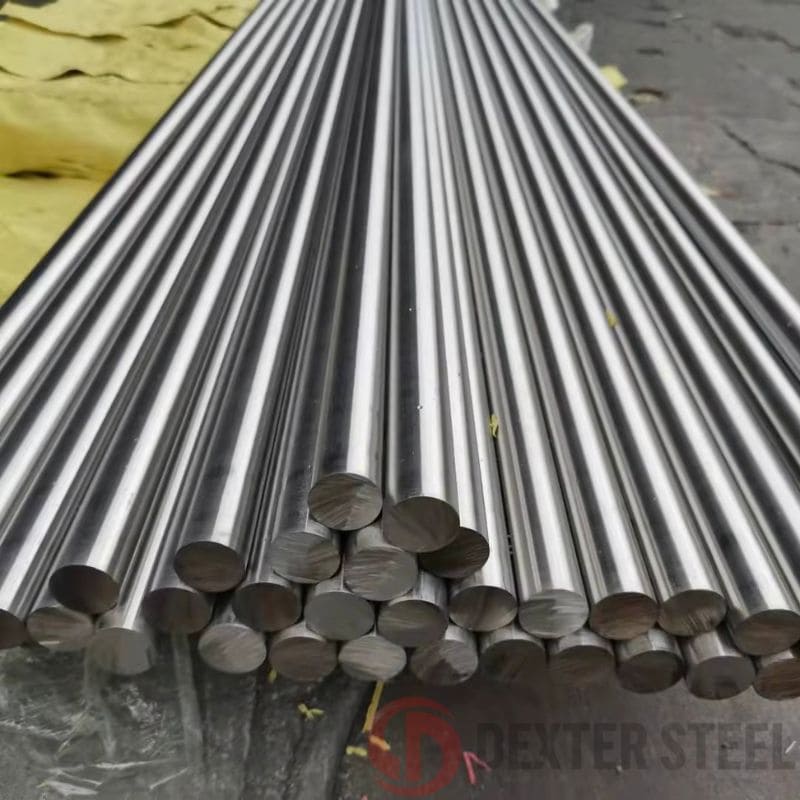
For Machined Components That Will Be Welded
316L is a practical choice for connectors, bosses and fittings welded into tanks, pipework or process equipment. Its low carbon content reduces the risk of certain corrosion problems caused by welding heat.
For these parts, the purchase needs to account for the finished assembly. A connector may be machined accurately but still need allowance for weld preparation or final finishing.
Keep the Material Identity Through Production
Once a bar is cut into small blanks, the link to its material certificate can be lost. This becomes important when the finished equipment requires documented material traceability.
| Order requirement | Why it matters |
|---|---|
| 316L under the specified standard | Confirms the required low-carbon grade |
| Verified 316/316L dual certification | Supports specifications requiring both designations |
| Batch identification for cut pieces | Connects the blanks to their material records |
Clear requirements at the quotation stage help prevent acceptance delays later.