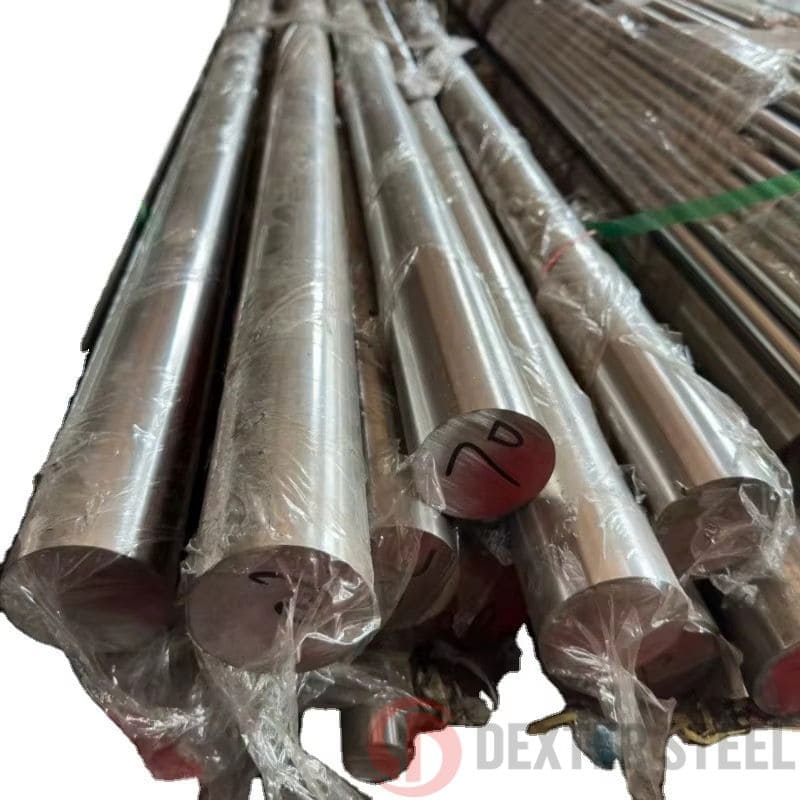
For Heat-Exposed Components
321 is considered for fasteners, fittings and supports exposed to elevated temperatures. Its value lies in resisting certain corrosion problems associated with heat exposure.
For a component heated repeatedly, the operating cycle matters as much as the peak temperature. A brief hot period and continuous hot service can place different demands on the same part.
We use the stated temperature, exposure time and load to clarify the material requirement. “Heat-resistant stainless steel” alone leaves too much open when quoting.
321 and 321H Need Clear Identification
321H has a controlled carbon range intended for high-temperature strength. A specification calling for 321H therefore needs material certified to that grade.
For loaded parts in hot equipment, an unapproved substitution can create both performance and acceptance problems. Keeping the exact designation on the drawing and purchase order avoids that uncertainty.
321 also offers no general chloride-resistance advantage over 316. Its heat-related benefit should be relevant to the application.
Supply Around the Fabrication Route
Heat-exposed fittings and supports may need cutting, drilling, threading or welding before installation. We can review these operations from your drawing.
Features that will be welded or finished later need suitable allowances. Defining the delivery stage helps us quote the work you need completed before shipment.