Frequently Asked Questions
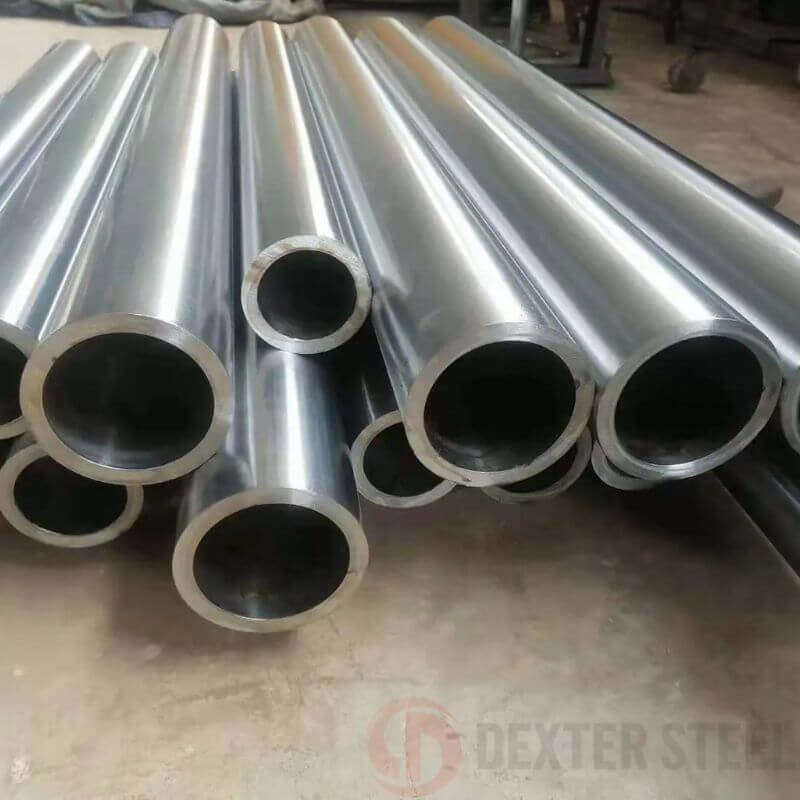
In industries where surface quality and mechanical performance carry equal importance, buyers of chrome plated steel tubing are commonly found. They frequently raise questions concerning plating durability, corrosion protection, and dimensional consistency. These concerns directly correspond to the practical needs of equipment manufacturers that integrate chrome plated tubes into precision mechanical assemblies.
What is the main purpose of chrome plating on steel tubing?
Chrome plating improves surface hardness, corrosion resistance, and appearance. The chromium layer creates a smooth, wear-resistant surface suitable for sliding or telescoping mechanical components.
Where are chrome plated steel tubes commonly used?
They are widely used in hydraulic cylinder rods, gym equipment guide rods, material handling systems, and decorative display fixtures where both durability and appearance are important.
How thick is the chrome plating typically applied to the tube?
Plating thickness varies depending on the application. Hard chrome layers used in mechanical components are generally thicker to provide improved wear resistance and longer service life.
Does chrome plating affect the dimensional accuracy of the tube?
Yes, the plating adds a small amount of thickness to the tube surface. Manufacturers typically account for this during production to ensure the final dimensions meet required tolerances.
How should chrome plated tubes be handled during transport and storage?
Because the chrome surface can be scratched, tubes are usually protected with plastic wrapping or sleeves during shipping. Proper handling helps maintain the finish and ensures smooth mechanical performance in the final application.
Chrome plating improves surface hardness, corrosion resistance, and appearance. The chromium layer creates a smooth, wear-resistant surface suitable for sliding or telescoping mechanical components.
They are widely used in hydraulic cylinder rods, gym equipment guide rods, material handling systems, and decorative display fixtures where both durability and appearance are important.
Plating thickness varies depending on the application. Hard chrome layers used in mechanical components are generally thicker to provide improved wear resistance and longer service life.
Yes, the plating adds a small amount of thickness to the tube surface. Manufacturers typically account for this during production to ensure the final dimensions meet required tolerances.
Because the chrome surface can be scratched, tubes are usually protected with plastic wrapping or sleeves during shipping. Proper handling helps maintain the finish and ensures smooth mechanical performance in the final application.
Related Glossaries
A manufacturing process where a metal coating is deposited onto a surface using electrical current in a chemical bath. This method is used to apply chromium coatings to steel tubes.
The ability of a material surface to resist damage caused by friction, abrasion, or repeated mechanical contact. Chrome plating significantly improves wear resistance.
The ability of a material to withstand environmental exposure without rusting or degrading. Chrome plating helps protect the steel surface from moisture and oxidation.
A manufacturing process where a metal coating is deposited onto a surface using electrical current in a chemical bath. This method is used to apply chromium coatings to steel tubes.
The ability of a material surface to resist damage caused by friction, abrasion, or repeated mechanical contact. Chrome plating significantly improves wear resistance.
The ability of a material to withstand environmental exposure without rusting or degrading. Chrome plating helps protect the steel surface from moisture and oxidation.