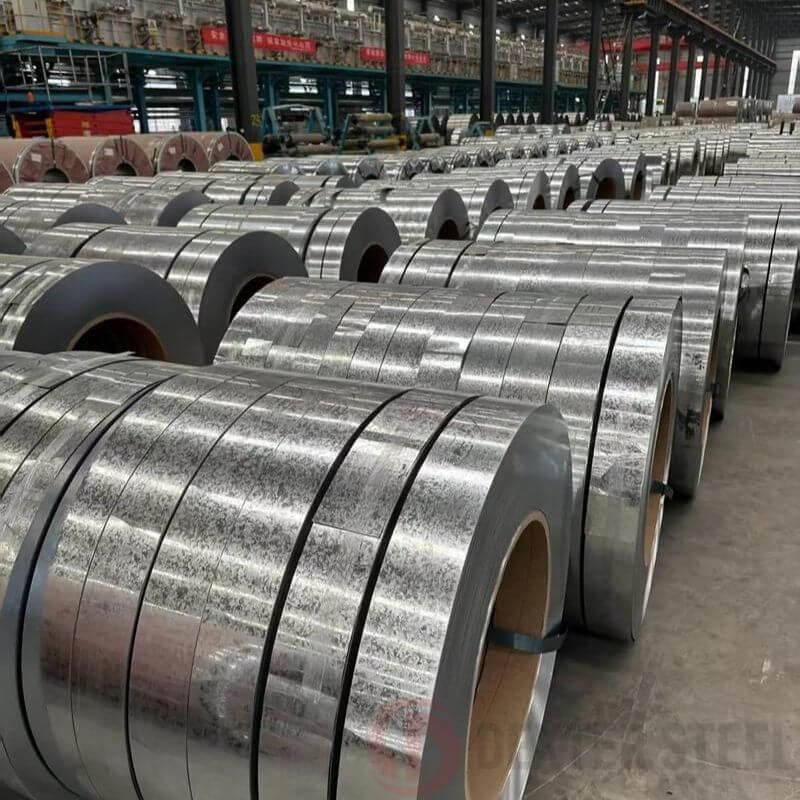
Key Characteristics
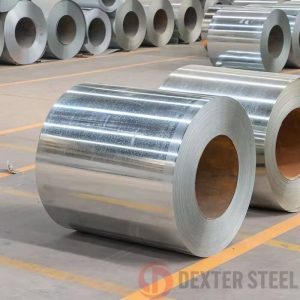
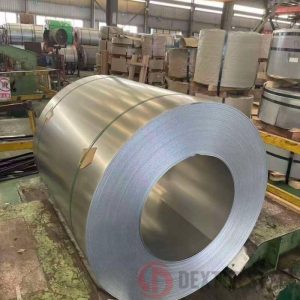
Galvanized Steel Coil provides corrosion protection through a metallic zinc coating bonded to carbon steel substrate. Protection mechanism relies on sacrificial corrosion rather than internal alloy resistance.
Coating weight directly affects service life. Thicker zinc layers generally extend durability in outdoor environments.
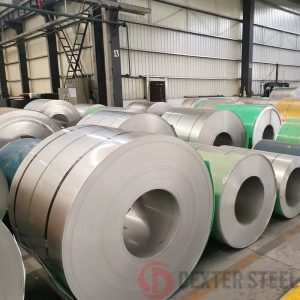
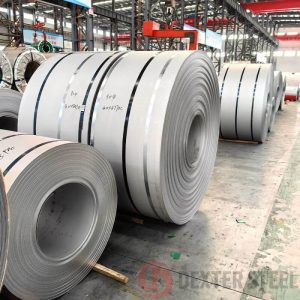
Surface appearance can vary depending on spangle control and passivation treatment, influencing suitability for visible applications.
| Item | GI | GL | ZAM | Aluminized Steel |
|---|---|---|---|---|
| Coating Type | Pure Zinc | Al-Zn Alloy | Zn-Al-Mg Alloy | Aluminum |
| Corrosion Resistance | Standard | Higher than GI | Higher, especially at cut edges | Moderate |
| Heat Resistance | Normal | Normal | Normal | High |
| Cost Level | Cost-efficient | Medium | Higher | Medium–High |
| Typical Use Focus | General construction | Roofing & panels | Coastal / aggressive env. | High-temperature parts |
Frequently Asked Questions
The following questions reflect the most common concerns from construction and industrial buyers. These customers typically focus on coating thickness, corrosion performance expectations, and processing compatibility for roll forming or fabrication.
How does galvanized steel resist corrosion?
The zinc coating provides sacrificial protection. Even if the surface is scratched, zinc corrodes preferentially to protect the underlying steel.
What do coating designations like Z275 or G90 mean?
They indicate the total zinc coating weight per square meter or per square foot. Higher coating weight generally provides longer corrosion protection.
Is galvanized steel suitable for coastal environments?
It can be used in moderate coastal environments, but higher coating weight or alternative systems such as Al-Zn coatings may offer improved durability in severe conditions.
Will bending or roll forming damage the zinc layer?
Properly controlled forming within recommended bend radius limits will not significantly damage coating adhesion.
How is rust prevented during shipping?
Moisture-proof packaging and controlled storage conditions help prevent white rust formation during sea transit.
The zinc coating provides sacrificial protection. Even if the surface is scratched, zinc corrodes preferentially to protect the underlying steel.
They indicate the total zinc coating weight per square meter or per square foot. Higher coating weight generally provides longer corrosion protection.
It can be used in moderate coastal environments, but higher coating weight or alternative systems such as Al-Zn coatings may offer improved durability in severe conditions.
Properly controlled forming within recommended bend radius limits will not significantly damage coating adhesion.
Moisture-proof packaging and controlled storage conditions help prevent white rust formation during sea transit.