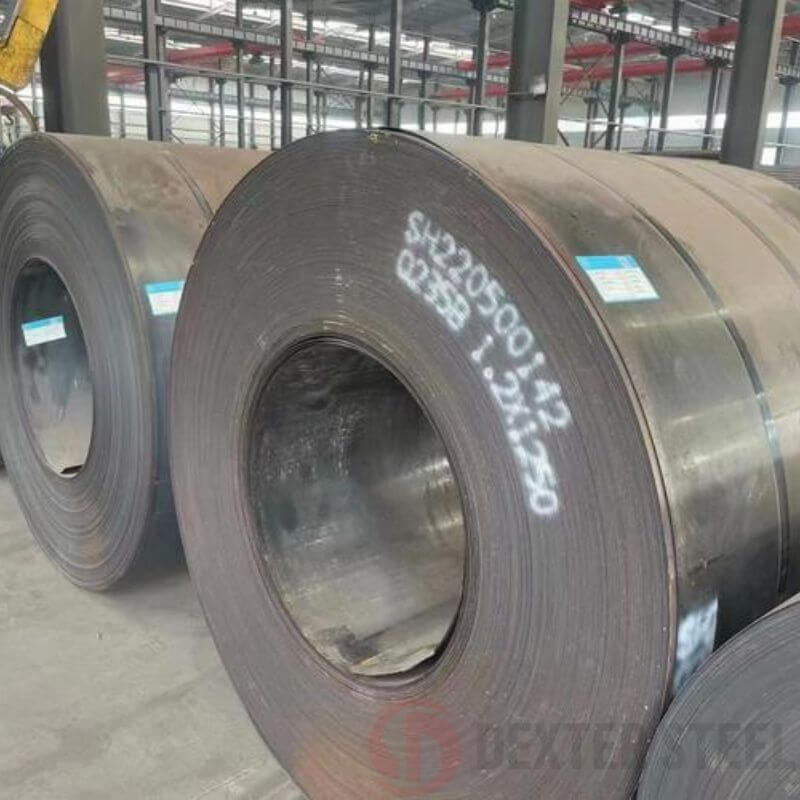
Key Characteristics
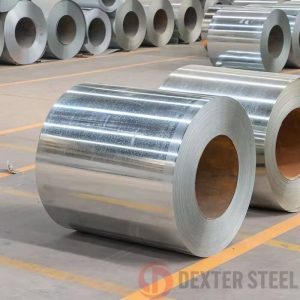
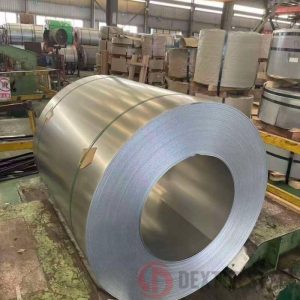
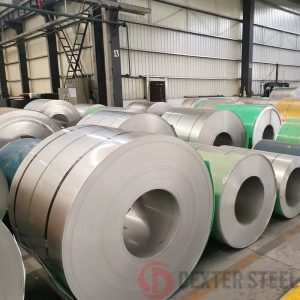
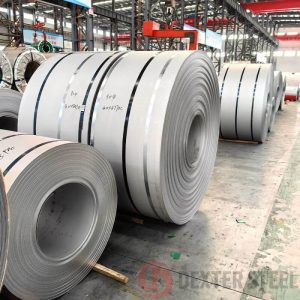
HRC is characterized by cost efficiency and structural reliability. It provides stable mechanical strength for welding, cutting, and general fabrication applications.
Surface condition includes mill scale, which is acceptable for structural components but less suitable for decorative or precision applications.
Thickness range flexibility makes HRC appropriate for heavy structural parts that require higher gauge material.
| Comparison Dimension | Hot Rolled Steel Coil (HRC) | Hot Rolled Pickled & Oiled Coil (HRPO) | Cold Rolled Steel Coil (CRC) |
|---|---|---|---|
| Processing Route | Hot rolled only | Hot rolled + pickling + light oiling | Hot rolled → cold reduction → annealing (if required) |
| Surface Condition | Retains mill scale (iron oxide layer) | Mill scale removed by acid pickling; light oil applied for protection | Smooth, uniform metallic surface; no mill scale |
| Thickness Tolerance | Wider tolerance range | Similar base tolerance to HRC | Tighter thickness control due to cold reduction |
| Typical Application Focus | Structural parts, welding, general fabrication | Forming parts requiring clean surface before painting or further processing | Precision stamping, exposed panels, tight-tolerance components |
Frequently Asked Questions
Customers typically focus on mechanical property stability, thickness tolerance, and suitability for welding or further processing.
What thickness range is typical for hot rolled steel coil?
HRC commonly ranges from approximately 1.2 mm to over 25 mm, depending on mill capability. Thicker gauges are typically used for structural or heavy-duty fabrication.
Is hot rolled steel suitable for welding?
Yes. Standard hot rolled carbon steel offers good weldability, provided proper welding procedures and filler materials are selected.
Why does HRC have a rough surface?
The surface contains mill scale formed during high-temperature rolling. This does not affect structural strength but may require cleaning if painting or precision forming is needed.
Can HRC be used for precision forming applications?
For high-precision or visible parts, cold rolled steel is often preferred. HRC is mainly selected for structural strength and cost efficiency.
Is mechanical property consistency guaranteed?
Yes. Chemical composition and mechanical properties are controlled according to applicable standards, and mill test certificates are provided with each batch.
HRC commonly ranges from approximately 1.2 mm to over 25 mm, depending on mill capability. Thicker gauges are typically used for structural or heavy-duty fabrication.
Yes. Standard hot rolled carbon steel offers good weldability, provided proper welding procedures and filler materials are selected.
The surface contains mill scale formed during high-temperature rolling. This does not affect structural strength but may require cleaning if painting or precision forming is needed.
For high-precision or visible parts, cold rolled steel is often preferred. HRC is mainly selected for structural strength and cost efficiency.
Yes. Chemical composition and mechanical properties are controlled according to applicable standards, and mill test certificates are provided with each batch.
Related Glossaries
The stress level at which steel begins to deform permanently. It is a key parameter for structural design calculations.
Steel is rolled at elevated temperatures above recrystallization point, allowing easier shaping and thickness reduction.
The process of cutting wide coils into narrower strips to match production requirements.
The stress level at which steel begins to deform permanently. It is a key parameter for structural design calculations.
Steel is rolled at elevated temperatures above recrystallization point, allowing easier shaping and thickness reduction.
The process of cutting wide coils into narrower strips to match production requirements.