Frequently Asked Questions
Professionals engaged in hydropower infrastructure understand that penstock steel pipe integrity is critical to stable power generation. Their technical evaluations concentrate on pressure rating, fabrication excellence, and rigorous inspection criteria, all of which safeguard the dependability and operational efficiency of high‑demand water transmission systems.
What is the main purpose of a penstock pipe in hydroelectric plants?
A penstock pipe transports water from a reservoir or dam to the turbines in a hydroelectric power plant. The pipe must handle high pressure and maintain controlled water flow for efficient energy generation.
Why are penstock pipes usually made from steel?
Steel provides the strength required to withstand high internal water pressure and external structural loads. It also allows pipes to be fabricated in large diameters with reliable welded joints.
How are penstock pipes manufactured?
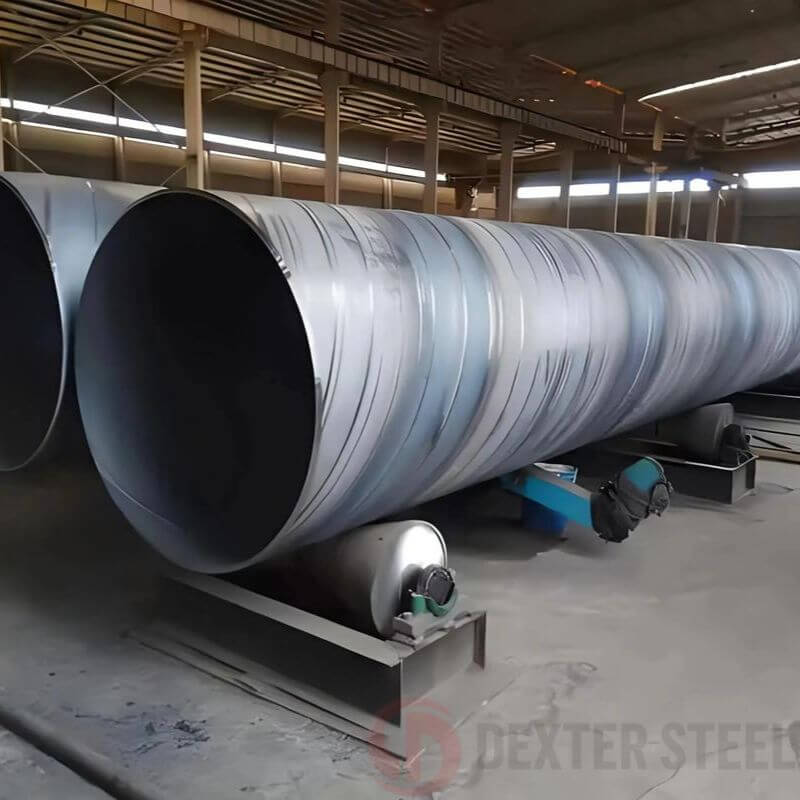
They are typically fabricated from steel plates that are rolled into cylindrical sections and welded together. Multiple sections are then assembled to form the full pipeline.
What inspection procedures are used for penstock pipes?
Inspection methods may include ultrasonic testing, radiographic inspection, hydrostatic testing, and visual weld examination to verify structural integrity.
Can penstock pipes be customized for specific projects?
Yes. Each hydroelectric project may require different pipe diameters, wall thicknesses, and pressure ratings depending on the design of the power generation system.
A penstock pipe transports water from a reservoir or dam to the turbines in a hydroelectric power plant. The pipe must handle high pressure and maintain controlled water flow for efficient energy generation.
Steel provides the strength required to withstand high internal water pressure and external structural loads. It also allows pipes to be fabricated in large diameters with reliable welded joints.
They are typically fabricated from steel plates that are rolled into cylindrical sections and welded together. Multiple sections are then assembled to form the full pipeline.
Inspection methods may include ultrasonic testing, radiographic inspection, hydrostatic testing, and visual weld examination to verify structural integrity.
Yes. Each hydroelectric project may require different pipe diameters, wall thicknesses, and pressure ratings depending on the design of the power generation system.
Related Glossaries
A large-diameter pipeline that carries water from a reservoir to turbines in a hydroelectric power plant.
The force exerted by moving water within a pipeline system.
A large-diameter pipeline that carries water from a reservoir to turbines in a hydroelectric power plant.
The force exerted by moving water within a pipeline system.
A non-alloy quality structural steel with a minimum yield strength of 355 MPa. This is a fundamental grade in European standards, offering good cold bending properties for construction and engineering projects.