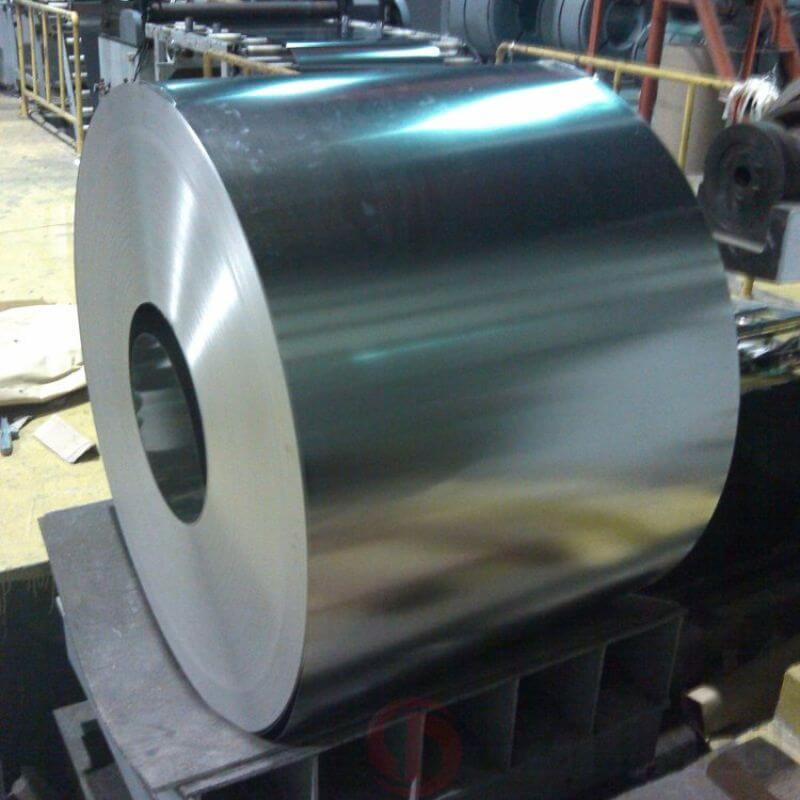
Common Temper Grades
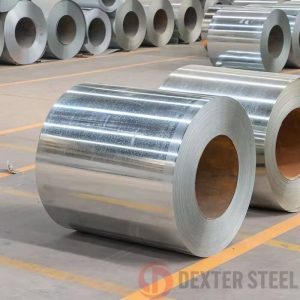
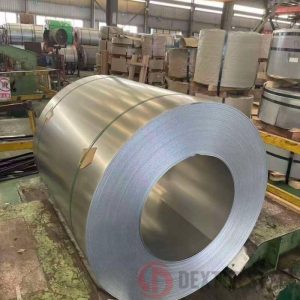
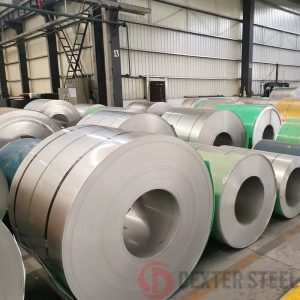
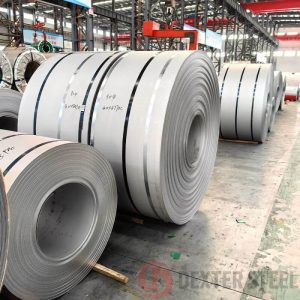
Tinplate steel coil is supplied in various temper grades, which define hardness level and forming performance. Temper selection directly influences deep drawing capability, wall ironing behavior, and resistance to deformation during high-speed can production.
| Temper Grade | Typical Application Focus | Forming Characteristics |
|---|---|---|
| T1 | Very soft temper | Suitable for deep drawing and complex forming applications |
| T2 | Soft temper | Common for general can bodies requiring good ductility |
| T3 | Medium temper | Balanced strength and formability for food and beverage cans |
| T4 | Medium-hard temper | Used where higher rigidity is required |
| T5 | Hard temper | Applied in ends, lids, and components requiring higher strength |
Double Reduced (DR) tinplate, often designated as DR8 or DR9, provides higher strength at thinner gauges and is typically used for beverage can bodies or lightweight packaging applications.
Temper grade selection should be aligned with forming depth, tooling design, and final product structural requirements.
Frequently Asked Questions
Customers who focus on coating weight accuracy, forming performance, and compliance with hygiene standards, please check the frequently asked questions from them.
What is the function of the tin coating?
The tin layer provides corrosion resistance and compatibility with food contact applications. It also improves solderability and surface appearance.
What do coating weight designations mean?
Coating weight indicates the amount of tin applied per square meter. It can be single reduced or differential coated depending on application requirements.
Is tinplate suitable for deep drawing?
Yes. Proper temper selection ensures adequate ductility for deep drawing processes used in can body production.
How is food safety ensured?
Tinplate is produced under controlled standards, and full traceability documentation is provided to meet food packaging regulations.
The tin layer provides corrosion resistance and compatibility with food contact applications. It also improves solderability and surface appearance.
Coating weight indicates the amount of tin applied per square meter. It can be single reduced or differential coated depending on application requirements.
Yes. Proper temper selection ensures adequate ductility for deep drawing processes used in can body production.
Tinplate is produced under controlled standards, and full traceability documentation is provided to meet food packaging regulations.