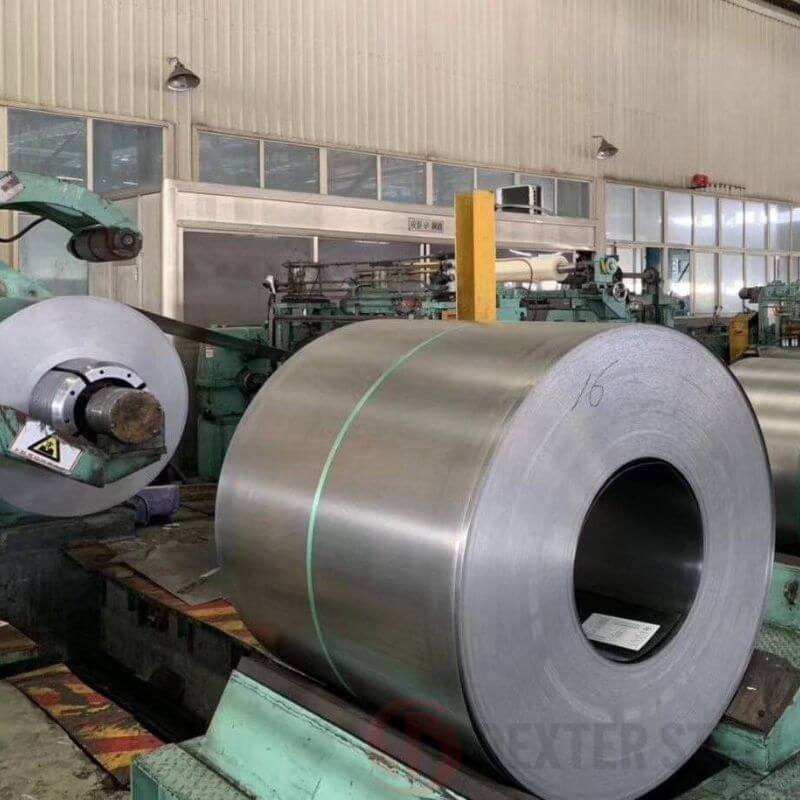
Corrosion Performance Comparison
In standardized salt spray testing (such as neutral salt spray per ASTM B117), Zn-Al-Mg coated steel often demonstrates significantly extended corrosion resistance compared to conventional galvanized coatings of similar thickness.
Under comparable coating weight conditions, ZAM products may achieve approximately 2–3 times longer red rust resistance than traditional Z275 (G90) galvanized steel. Actual performance depends on coating formulation, thickness, and environmental exposure classification.
Improved cut-edge corrosion behavior is one of the primary advantages of Zn-Al-Mg systems, as the magnesium component promotes formation of a dense protective layer at exposed edges.
Frequently Asked Questions
Our customers focus on corrosion test performance, cut-edge behavior, and substitution feasibility when replacing conventional galvanized materials. Please find some questions & answers as below:
How does ZAM differ from traditional galvanized steel?
ZAM includes magnesium in the coating composition, which enhances corrosion resistance and significantly improves cut-edge protection compared to pure zinc coatings.
Is ZAM suitable for outdoor structural applications?
Yes. ZAM is widely used in solar mounting systems and outdoor equipment where long-term atmospheric corrosion resistance is required.
Can ZAM replace GI directly?
In many cases, yes. However, engineering evaluation should confirm coating thickness equivalence and environmental exposure conditions.
How does ZAM perform at cut edges?
Magnesium within the coating promotes a stable protective layer at exposed edges, reducing red rust formation compared to conventional galvanized steel.
ZAM includes magnesium in the coating composition, which enhances corrosion resistance and significantly improves cut-edge protection compared to pure zinc coatings.
Yes. ZAM is widely used in solar mounting systems and outdoor equipment where long-term atmospheric corrosion resistance is required.
In many cases, yes. However, engineering evaluation should confirm coating thickness equivalence and environmental exposure conditions.
Magnesium within the coating promotes a stable protective layer at exposed edges, reducing red rust formation compared to conventional galvanized steel.