Value Added Sevices
European-standard channels used in heavy construction require exacting tolerances. Processing focuses on meeting strict engineering specifications for load-bearing connections in infrastructure and high-rise projects.
Frequently Asked Questions
Engineers and contractors working with European structural standards often have specific technical questions when sourcing UPN channels. These questions typically focus on dimensional compliance, load-bearing characteristics, and fabrication compatibility to ensure the channel profile meets structural design requirements.
What defines a UPN channel profile
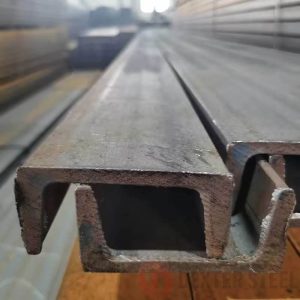
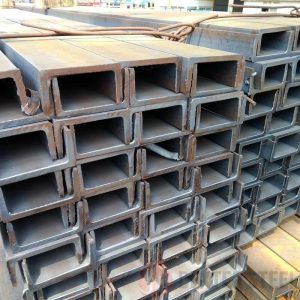
UPN channels are structural steel sections manufactured according to European EN standards and characterized by tapered flanges and precise dimensional specifications.
Where are UPN channels commonly used
UPN channels are widely used in bridges, building frameworks, industrial structures, and infrastructure projects that follow European structural design standards.
How do UPN channels differ from other channel types
The main difference lies in the tapered flange geometry specified by EN standards, which affects structural calculations and fabrication methods.
Can UPN channels be welded during fabrication
Yes. UPN channels are commonly welded or bolted during structural assembly when integrated into larger steel frameworks.
Why is dimensional accuracy important for UPN channels
Structural engineers rely on precise dimensions defined by EN standards when performing load calculations, so accurate profile geometry is essential for safe construction.
UPN channels are structural steel sections manufactured according to European EN standards and characterized by tapered flanges and precise dimensional specifications.
UPN channels are widely used in bridges, building frameworks, industrial structures, and infrastructure projects that follow European structural design standards.
The main difference lies in the tapered flange geometry specified by EN standards, which affects structural calculations and fabrication methods.
Yes. UPN channels are commonly welded or bolted during structural assembly when integrated into larger steel frameworks.
Structural engineers rely on precise dimensions defined by EN standards when performing load calculations, so accurate profile geometry is essential for safe construction.
Related Glossaries
A flange design where the thickness decreases from the web outward. This geometry is characteristic of UPN channels and influences structural behavior.
European structural standards that define the mechanical properties, dimensions, and tolerances for steel products used in engineering and construction projects.
A flange design where the thickness decreases from the web outward. This geometry is characteristic of UPN channels and influences structural behavior.
European structural standards that define the mechanical properties, dimensions, and tolerances for steel products used in engineering and construction projects.
Industries Served
Primary Industries: Heavy Civil Engineering, European Infrastructure
Heavy Construction:
- Crane runway beams Main
- structural members Tunnel
- reinforcement ribs
Maritime & Ports:
- Lock gates and dock fender systems.
- Shipbuilding components