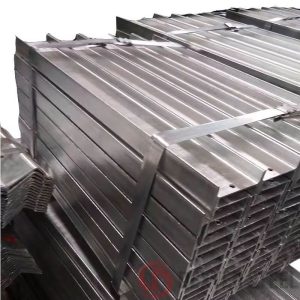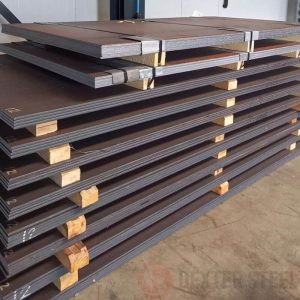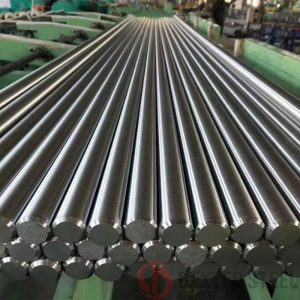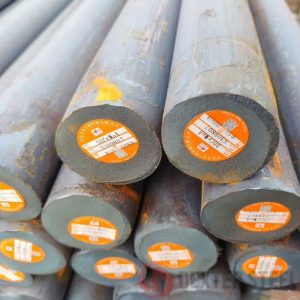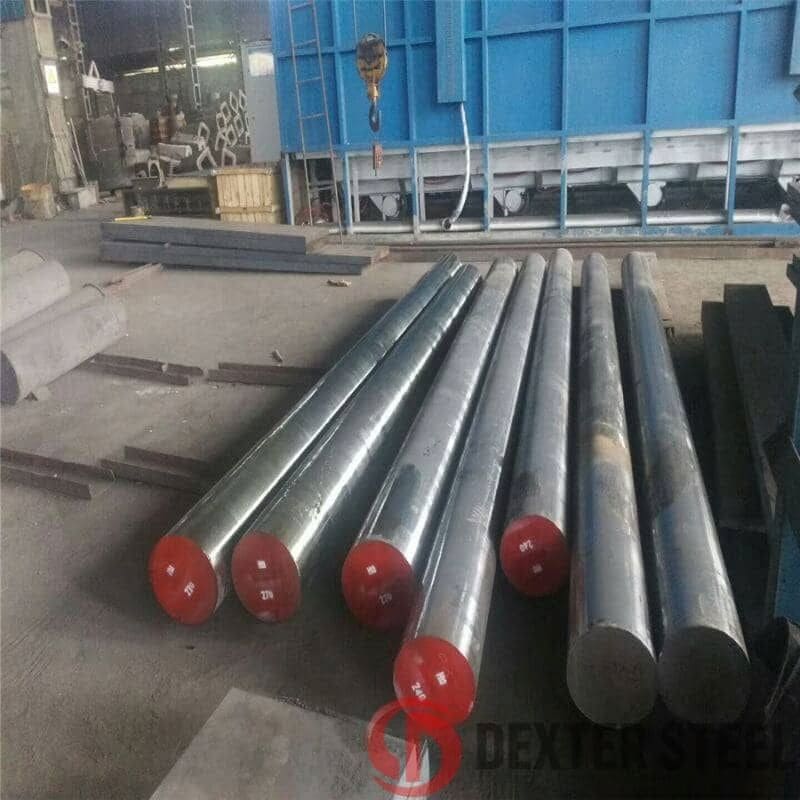
Alloy steel material bar is a practical choice when strength, toughness or wear requirements is required. For machinery builders and repair workshops, the value lies in producing a part that handles its working load and lasts between maintenance stops.
At Dexter Steel, we start with the component’s duty. A large drive shaft and a gear tooth need different properties, even if both face heavy loads.
| Grade | Where its value often lies |
|---|---|
| 4130 | Components combining strength requirements with welding |
| 4140 | General machinery shafts, pins and other loaded parts |
| 4340 | Demanding components requiring strength and toughness through larger sections |
| 8620 | Carburized gears and parts needing a hard surface with a tougher core |
A more expensive grade earns its place when it meets a requirement the lower-cost option cannot.
Delivery Condition
Two bars of the same grade can arrive ready for different production routes.
Annealed stock can suit parts needing substantial machining before heat treatment. Quenched-and-tempered stock can avoid a later full hardening step when its supplied properties meet the drawing. Carburizing grades such as 8620 are commonly machined before the surface-hardening process.
This distinction affects tooling, workshop time and outside processing costs. A quotation based only on grade and diameter can miss a large part of the finished component’s cost.
We use the required condition and final properties to clarify what material you need delivered.
Blanks Prepared for Your Need
Cut blanks can simplify repeat production and reduce offcuts. Specified drilling or other processing can also reduce the operations left in your workshop.
For parts that will undergo heat treatment, the blank needs allowance for movement and final finishing. Removing too much material early can leave too little for correction later.
Send us the drawing, quantity and planned heat-treatment route. These details help us quote suitable stock dimensions and the processing required before shipment.