Value Added Sevices
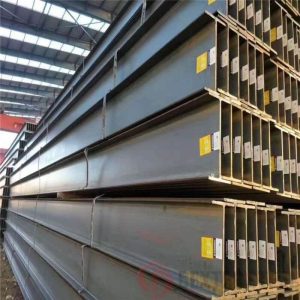
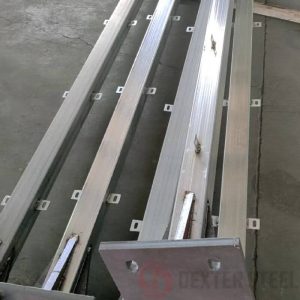
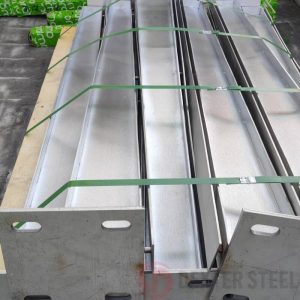
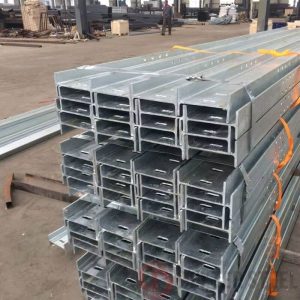
Specialist structural engineers and contractors need built-up beams for complex architectural features like stadium roofs or airport terminals. These beams are fabricated from multiple plates into tapered, curved, or cellular sections that require advanced engineering and precision manufacturing.
Frequently Asked Questions
Built-up steel beams are typically specified for complex structural projects where standard beam sections are insufficient. Engineers and contractors therefore focus their questions on fabrication methods, structural performance, and design flexibility. These topics reflect the technical considerations involved when developing customized structural members for demanding applications.
When are built-up steel beams required in structural projects?
Built-up beams are used when standard rolled beams cannot provide the required span, load capacity, or geometry. They are common in large public buildings, stadiums, bridges, and industrial facilities where unique structural configurations are necessary.
How are built-up beams manufactured?
Yes. When designed and fabricated according to structural engineering standards, built-up beams can carry extremely high loads and perform reliably in large structural systems. Quality welding procedures and inspection processes ensure structural integrity.
Are built-up beams structurally reliable for heavy loads?
Yes. When designed and fabricated according to structural engineering standards, built-up beams can carry extremely high loads and perform reliably in large structural systems. Quality welding procedures and inspection processes ensure structural integrity.
Can built-up beams be designed with non-standard shapes?
Yes. One of the main advantages of built-up beams is their design flexibility. Engineers can create tapered beams, curved members, or specialized cross sections to accommodate architectural and structural requirements.
Built-up beams are used when standard rolled beams cannot provide the required span, load capacity, or geometry. They are common in large public buildings, stadiums, bridges, and industrial facilities where unique structural configurations are necessary.
Yes. When designed and fabricated according to structural engineering standards, built-up beams can carry extremely high loads and perform reliably in large structural systems. Quality welding procedures and inspection processes ensure structural integrity.
Yes. When designed and fabricated according to structural engineering standards, built-up beams can carry extremely high loads and perform reliably in large structural systems. Quality welding procedures and inspection processes ensure structural integrity.
Yes. One of the main advantages of built-up beams is their design flexibility. Engineers can create tapered beams, curved members, or specialized cross sections to accommodate architectural and structural requirements.
Related Glossaries
A structural beam fabricated from separate steel plates welded together to form a deep and strong beam. Plate girders are commonly used in bridges and large buildings where standard rolled beams cannot provide sufficient span or load capacity.
A beam whose depth gradually changes along its length. Tapered beams are often used in long-span structures to place material efficiently where bending stresses are highest.
A welding process commonly used in heavy structural fabrication. It produces deep, consistent welds with high efficiency, making it suitable for manufacturing large built-up beams.
The vertical plate forming the center portion of a built-up beam. The web primarily resists shear forces and connects the upper and lower flange plates.
A structural beam fabricated from separate steel plates welded together to form a deep and strong beam. Plate girders are commonly used in bridges and large buildings where standard rolled beams cannot provide sufficient span or load capacity.
A beam whose depth gradually changes along its length. Tapered beams are often used in long-span structures to place material efficiently where bending stresses are highest.
A welding process commonly used in heavy structural fabrication. It produces deep, consistent welds with high efficiency, making it suitable for manufacturing large built-up beams.
The vertical plate forming the center portion of a built-up beam. The web primarily resists shear forces and connects the upper and lower flange plates.