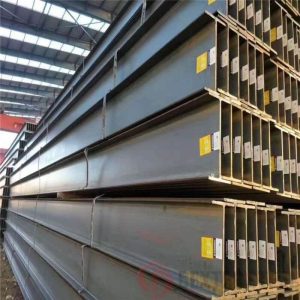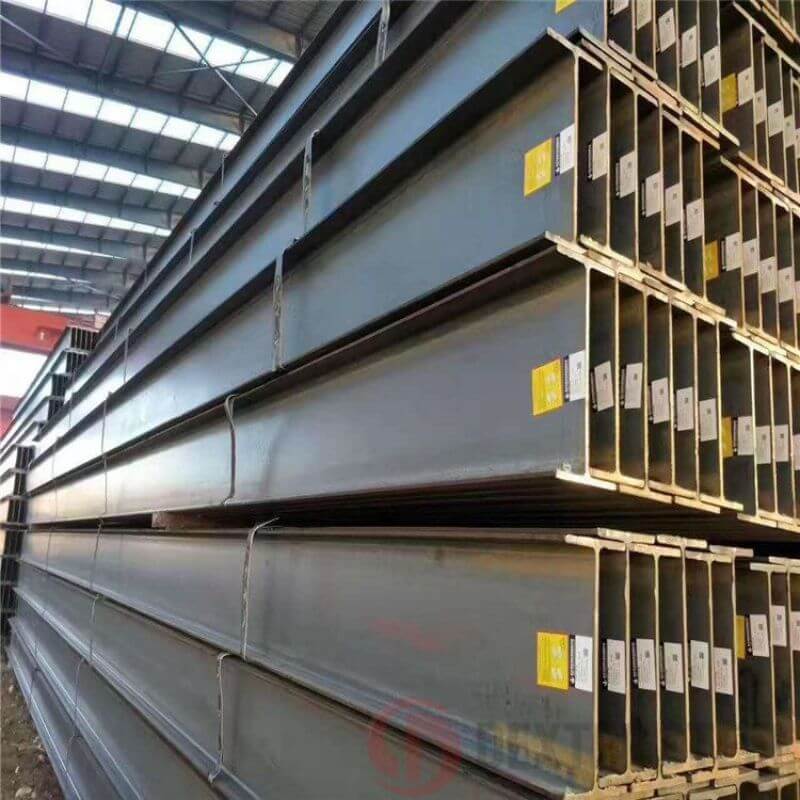
Weathering steel beams are engineered to resist atmospheric corrosion through alloy composition rather than surface coatings. The material develops a stable protective patina when exposed to natural weather cycles.
This patina acts as a barrier that slows further oxidation, allowing the steel to maintain structural integrity for decades without conventional paint systems.
Another key advantage is lifecycle cost reduction. Eliminating repainting and maintenance significantly lowers long-term operating costs for bridges and infrastructure.
Weathering steel beams are also valued for their distinctive rust-colored appearance, which is often intentionally incorporated into modern architectural designs.
| Comparison Dimension | Weathering Steel Beam | Hot Dip Galvanized Steel Beam |
|---|---|---|
| Corrosion Protection Method | Protective oxide patina formed naturally on steel surface | Zinc coating provides sacrificial corrosion protection |
| Typical Applications | Bridges, railway structures, landscape architecture | Solar structures, agricultural buildings, outdoor frames |
Frequently Asked Questions
Infrastructure engineers and bridge contractors often evaluate weathering steel beams based on their long-term corrosion behavior and maintenance requirements. Their technical questions typically focus on environmental suitability, detailing practices, and fabrication considerations that influence how the protective patina develops in real service conditions.
How does weathering steel protect itself from corrosion?
Weathering steel forms a dense oxide layer on its surface when exposed to alternating wet and dry conditions. This patina slows further corrosion and protects the underlying metal, allowing the structure to remain durable without traditional paint systems.
Where are weathering steel beams most commonly used?
They are widely used in bridges, highway structures, rail infrastructure, and architectural landscaping features. These applications benefit from the material’s durability and reduced maintenance requirements in exposed environments.
Can weathering steel beams be used in coastal environments?
In areas with constant salt exposure or high chloride levels, the protective patina may not form properly. For these environments, stainless steel or galvanized steel structures are often more suitable.
Do weathering steel beams require special fabrication practices?
Fabrication processes such as cutting, drilling, and welding are generally similar to carbon steel. However, weld consumables compatible with weathering steel should be used to maintain consistent corrosion performance across the structure.
Will the surface appearance change over time?
Yes. Weathering steel gradually develops its characteristic brown patina as it reacts with the environment. This process typically stabilizes after several months to a few years depending on climate conditions.
Weathering steel forms a dense oxide layer on its surface when exposed to alternating wet and dry conditions. This patina slows further corrosion and protects the underlying metal, allowing the structure to remain durable without traditional paint systems.
They are widely used in bridges, highway structures, rail infrastructure, and architectural landscaping features. These applications benefit from the material’s durability and reduced maintenance requirements in exposed environments.
In areas with constant salt exposure or high chloride levels, the protective patina may not form properly. For these environments, stainless steel or galvanized steel structures are often more suitable.
Fabrication processes such as cutting, drilling, and welding are generally similar to carbon steel. However, weld consumables compatible with weathering steel should be used to maintain consistent corrosion performance across the structure.
Yes. Weathering steel gradually develops its characteristic brown patina as it reacts with the environment. This process typically stabilizes after several months to a few years depending on climate conditions.
Material Grades
ASTM A588
Common weathering steel, 50 ksi yield, excellent corrosion resistance for bridges and buildings.
ASTM A242
High‑strength weathering steel, 50 ksi yield, for light‑medium structures up to 4 inches.
S355J2W
European weathering steel, 355 MPa yield, impact‑resistant at -20°C for outdoor structures.
ASTM A606
Weathering steel for sheets, 50 ksi min yield, enhanced corrosion resistance.