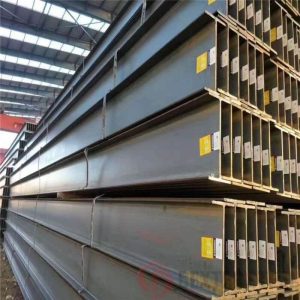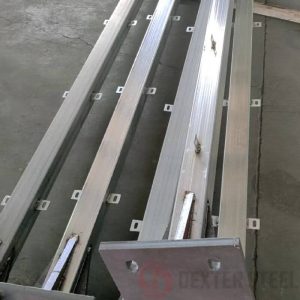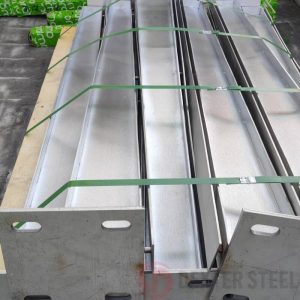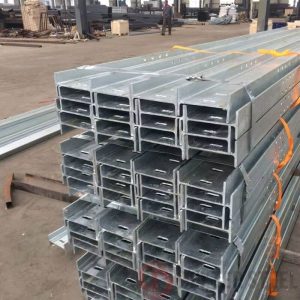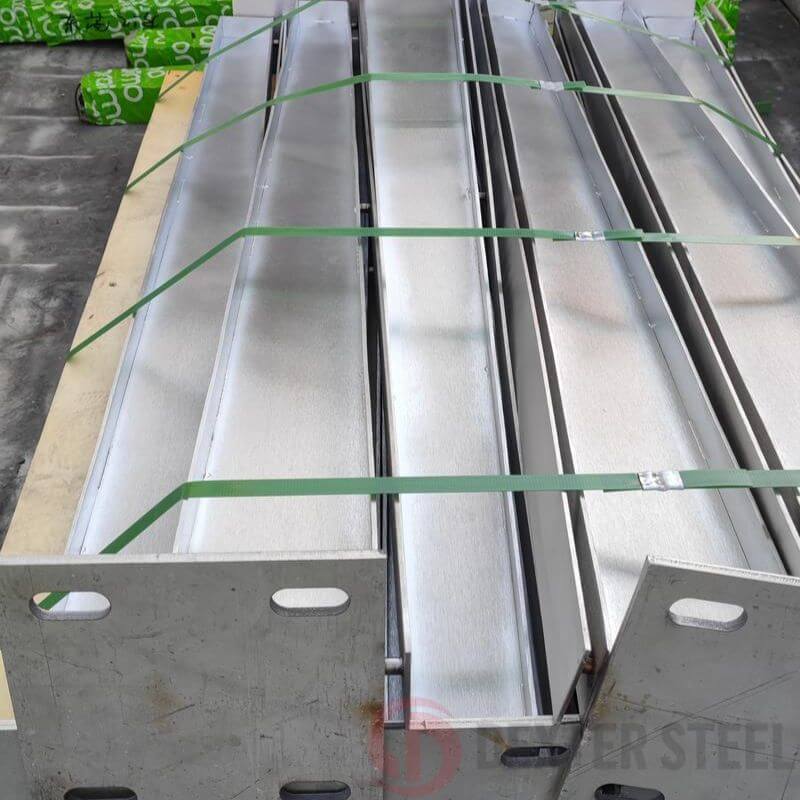
Stainless steel beams are primarily valued for their natural corrosion resistance. The chromium content in stainless steel forms a passive oxide layer that protects the material from rust without the need for coatings or painting.
Another important characteristic is hygiene compatibility. Stainless steel surfaces are easy to clean and resistant to contamination, making them suitable for food processing, pharmaceutical, and medical environments.
Stainless steel beams also offer excellent durability in outdoor and marine environments. When properly selected, grades like 316 can resist chloride exposure that would quickly degrade standard carbon steel structures.
From a fabrication perspective, stainless steel beams are highly weldable and maintain good toughness across a wide temperature range. However, the material cost is significantly higher than carbon steel alternatives.
| Comparison Dimension | Stainless Steel Beam | Carbon Steel Beam | Alloy Steel Beam | Weathering Steel Beam | Hot Dip Galvanized Steel Beam |
|---|---|---|---|---|---|
| Primary Advantage | Excellent corrosion resistance without coatings | Cost-effective structural material | High strength and toughness | Self-protective rust patina for outdoor use | Zinc coating provides corrosion protection |
| Typical Applications | Food plants, pharmaceuticals, coastal architecture | Buildings, warehouses, bridges | Heavy equipment, offshore structures | Bridges, outdoor infrastructure | Solar structures, agricultural buildings |
| Environmental Suitability | Highly resistant to moisture and chemicals | Best suited for controlled or coated environments | Used in demanding mechanical environments | Designed for exposed atmospheric conditions | Suitable for outdoor and corrosive environments |
Frequently Asked Questions
Stainless steel beam buyers prioritize corrosion resistance, hygiene and appearance. They focus on grade, surface condition and fabrication compatibility in project planning and procurement.
What stainless steel grades are most commonly used for structural beams?
The most common grades are 304 and 316 stainless steel. Grade 304 provides good corrosion resistance for general indoor or moderately corrosive environments, while 316 offers improved resistance to chlorides and is often used in coastal areas or chemical processing facilities.
Are stainless steel beams as strong as carbon steel beams?
Stainless steel beams generally have lower yield strength than some structural carbon steels, but they provide superior corrosion resistance and long-term durability. Engineers often select stainless beams when environmental conditions are more critical than maximum structural strength.
Can stainless steel beams be welded and fabricated easily?
Yes. Austenitic stainless steels such as 304 and 316 are highly weldable and commonly fabricated using standard processes including TIG, MIG, and FCAW welding. Proper filler metals and heat control are used to maintain corrosion resistance in welded areas.
Do stainless steel beams require additional surface finishing?
Many structural stainless beams are supplied with a mill finish suitable for industrial use. However, architectural projects may require brushed or polished finishes to achieve a consistent visual appearance, particularly for exposed structural elements.
How should stainless steel beams be stored before installation?
Stainless steel beams should be stored separately from carbon steel materials to prevent contamination from iron particles. Keeping them on clean supports and protected from construction debris helps preserve their corrosion-resistant surface.
The most common grades are 304 and 316 stainless steel. Grade 304 provides good corrosion resistance for general indoor or moderately corrosive environments, while 316 offers improved resistance to chlorides and is often used in coastal areas or chemical processing facilities.
Stainless steel beams generally have lower yield strength than some structural carbon steels, but they provide superior corrosion resistance and long-term durability. Engineers often select stainless beams when environmental conditions are more critical than maximum structural strength.
Yes. Austenitic stainless steels such as 304 and 316 are highly weldable and commonly fabricated using standard processes including TIG, MIG, and FCAW welding. Proper filler metals and heat control are used to maintain corrosion resistance in welded areas.
Many structural stainless beams are supplied with a mill finish suitable for industrial use. However, architectural projects may require brushed or polished finishes to achieve a consistent visual appearance, particularly for exposed structural elements.
Stainless steel beams should be stored separately from carbon steel materials to prevent contamination from iron particles. Keeping them on clean supports and protected from construction debris helps preserve their corrosion-resistant surface.
Industries Served
Architectural & Construction
- Structural Glass Mullions
- Balustrade and Handrail
Marine & Offshore Industry
- Boat Lift Cradles Platform
- Handrail Systems
Water Treatment
- Clarifier Walkway Beams Intake
- Structures Support Frames