Frequently Asked Questions
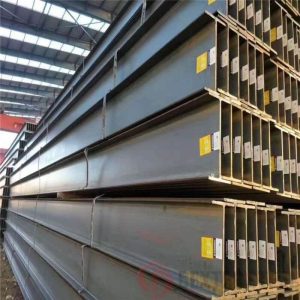
Structural contractors and engineering teams often evaluate H and W beams during project planning because these sections are commonly used in major load-bearing frameworks. Their questions usually focus on section selection, load capacity, and compatibility with structural design standards used in large infrastructure projects.
What is the difference between H beams and W beams?
W beams are defined under ASTM standards as wide flange beams with parallel flanges, commonly used in North American structural design. H beam is a broader term often used internationally to describe a similar wide flange profile with high load capacity and structural efficiency.
Why are wide flange beams preferred in large structures?
The parallel flange design increases the section modulus and allows the beam to carry higher bending loads. This makes wide flange beams particularly suitable for long spans and heavy structural frameworks such as skyscrapers and bridges.
Can H and W beams be used as columns as well as beams?
Yes. Because of their wide flanges and high structural strength, these sections are commonly used as both beams and vertical columns in structural steel frames.
What fabrication processes are commonly used for these beams?
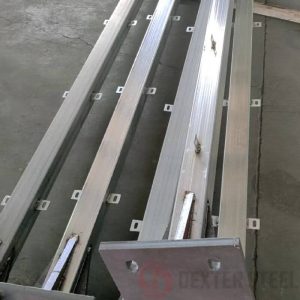
Typical processing includes saw cutting, drilling for bolted connections, welding connection plates, and cambering to meet structural design requirements.
How are H and W beams transported for large construction projects?
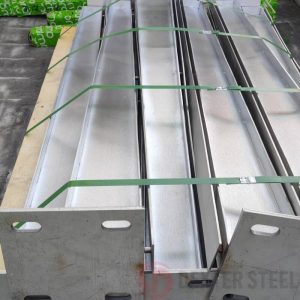
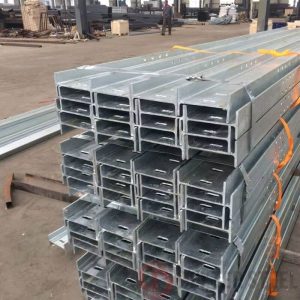
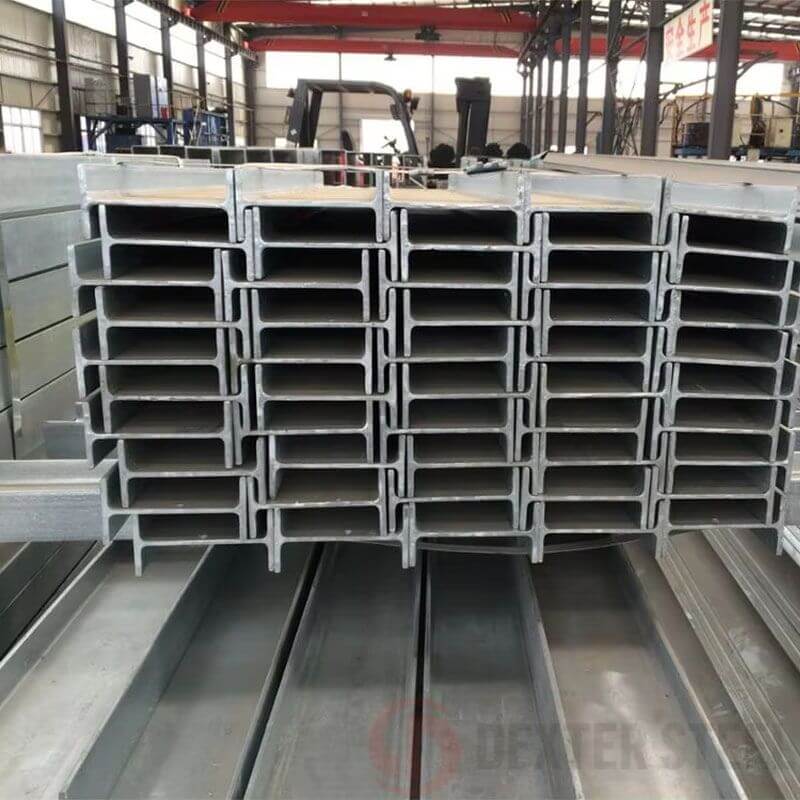
Large projects often require coordinated shipments in bulk quantities. Beams are bundled and protected during transport to maintain straightness and dimensional accuracy before arriving at the fabrication shop or construction site.
W beams are defined under ASTM standards as wide flange beams with parallel flanges, commonly used in North American structural design. H beam is a broader term often used internationally to describe a similar wide flange profile with high load capacity and structural efficiency.
The parallel flange design increases the section modulus and allows the beam to carry higher bending loads. This makes wide flange beams particularly suitable for long spans and heavy structural frameworks such as skyscrapers and bridges.
Yes. Because of their wide flanges and high structural strength, these sections are commonly used as both beams and vertical columns in structural steel frames.
Typical processing includes saw cutting, drilling for bolted connections, welding connection plates, and cambering to meet structural design requirements.
Large projects often require coordinated shipments in bulk quantities. Beams are bundled and protected during transport to maintain straightness and dimensional accuracy before arriving at the fabrication shop or construction site.
Related Glossaries
A beam profile characterized by parallel flanges and a relatively wide cross section. This design increases bending strength and makes the beam suitable for heavy structural loads in buildings and infrastructure.
The vertical height of the beam cross section measured from flange to flange. Greater section depth generally increases bending resistance and load capacity in structural applications.
The thickness of the top and bottom horizontal plates of the beam. Thicker flanges improve bending resistance and structural stability under heavy loads.
The thickness of the vertical portion connecting the two flanges. The web primarily resists shear forces and contributes to the overall stiffness of the beam.
A beam profile characterized by parallel flanges and a relatively wide cross section. This design increases bending strength and makes the beam suitable for heavy structural loads in buildings and infrastructure.
The vertical height of the beam cross section measured from flange to flange. Greater section depth generally increases bending resistance and load capacity in structural applications.
The thickness of the top and bottom horizontal plates of the beam. Thicker flanges improve bending resistance and structural stability under heavy loads.
The thickness of the vertical portion connecting the two flanges. The web primarily resists shear forces and contributes to the overall stiffness of the beam.
Material Grades
ASTM A992
Standard for US wide-flange shapes, 50–65 ksi yield, ratio ≤0.85 for better seismic performance.
S355JR/J2
European structural steel, 355 MPa yield, JR at room temp, J2 at -20°C impact.
Q355B
Chinese grade (ex-Q345), 355 MPa yield, standard for H-beams in construction.
ASTM A572 Grade 50
High-strength H-beam steel, 50 ksi yield, good weldability for heavy construction.