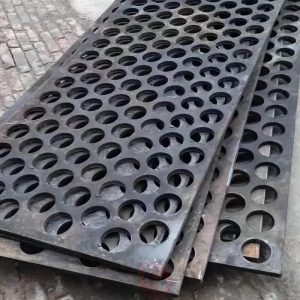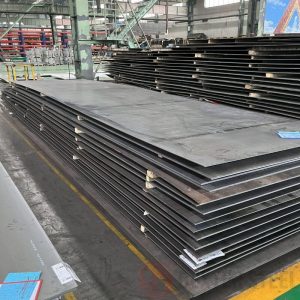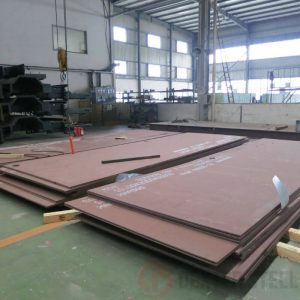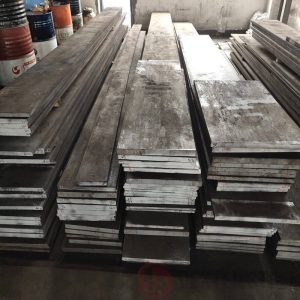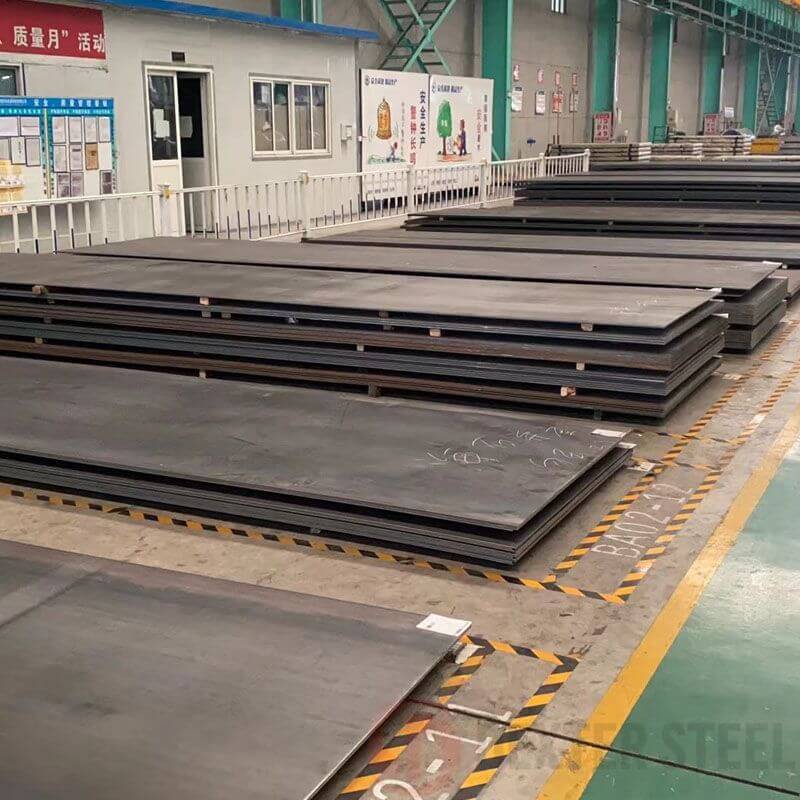
Carbon steel plate offers a balanced combination of mechanical strength, weldability, and cost efficiency. For most fabrication projects where extreme corrosion resistance or specialized mechanical performance is not required, it remains the most economical structural material.
The material is widely available across international standards, making sourcing and substitution easier for global buyers. Common grades exist in ASTM, EN, JIS, and GB systems, allowing engineers to select equivalent materials based on regional specifications.
Carbon steel plates also provide good fabrication flexibility. They can be cut, drilled, welded, and formed using conventional workshop processes, which reduces manufacturing complexity for equipment manufacturers and construction fabricators.
Another key advantage is thickness range availability. Carbon steel plates can be produced from relatively thin gauges to heavy plates exceeding 100 mm, supporting applications ranging from sheet-metal fabrication to heavy structural engineering.
| Comparison Dimension | Carbon Steel Plate | Hot Rolled Steel Plate | Structural Steel Plate | Alloy Steel Plate |
|---|---|---|---|---|
| Classification logic | Defined mainly by carbon content and general-purpose structural use | Defined by rolling process rather than chemical composition | Defined by structural engineering standards and mechanical requirements | Defined by alloying elements added to improve specific performance |
| Typical applications | Machinery frames, equipment bases, welded structures | Heavy fabrication, structural components, plate processing | Buildings, bridges, steel structures | Oil & gas equipment, heavy machinery, high-stress components |
Frequently Asked Questions
Carbon steel plate buyers typically focus on practical fabrication and specification questions. Fabricators, construction contractors, and machinery manufacturers want clarity on weldability, grade differences, surface condition, and dimensional tolerance to ensure the material performs reliably during cutting, welding, and structural assembly.
What makes carbon steel plate suitable for general structural fabrication?
Carbon steel plate provides a practical balance of strength, weldability, and cost efficiency. Its relatively low alloy content allows reliable welding and forming using conventional fabrication methods, making it widely used for structural frames, machinery bases, and welded equipment structures.
How do buyers choose between common carbon steel plate grades such as A36, S235, or Q235?
These grades are broadly equivalent general structural steels used in different regional standards. Selection usually depends on the project specification, required yield strength, and applicable engineering code. International buyers often select the grade that matches their regional design standard.
Does carbon steel plate require special welding procedures?
Most standard carbon steel plates such as A36 or S235 can be welded using common welding processes without complex procedures. For thicker plates or higher carbon content materials, moderate preheating may sometimes be recommended to reduce the risk of weld cracking.
Why do hot rolled carbon steel plates often have mill scale on the surface?
Mill scale forms naturally during the hot rolling process when steel reacts with oxygen at high temperature. It does not affect structural performance but may need to be removed by blasting, pickling, or grinding if the plate will be painted or coated.
How important are thickness tolerance and flatness for fabrication?
Dimensional consistency is critical for efficient fabrication. Plates with controlled thickness tolerance and good flatness reduce cutting deviation, improve weld fit-up, and minimize adjustment during assembly, which helps maintain production efficiency in fabrication workshops.
Carbon steel plate provides a practical balance of strength, weldability, and cost efficiency. Its relatively low alloy content allows reliable welding and forming using conventional fabrication methods, making it widely used for structural frames, machinery bases, and welded equipment structures.
These grades are broadly equivalent general structural steels used in different regional standards. Selection usually depends on the project specification, required yield strength, and applicable engineering code. International buyers often select the grade that matches their regional design standard.
Most standard carbon steel plates such as A36 or S235 can be welded using common welding processes without complex procedures. For thicker plates or higher carbon content materials, moderate preheating may sometimes be recommended to reduce the risk of weld cracking.
Mill scale forms naturally during the hot rolling process when steel reacts with oxygen at high temperature. It does not affect structural performance but may need to be removed by blasting, pickling, or grinding if the plate will be painted or coated.
Dimensional consistency is critical for efficient fabrication. Plates with controlled thickness tolerance and good flatness reduce cutting deviation, improve weld fit-up, and minimize adjustment during assembly, which helps maintain production efficiency in fabrication workshops.
Material Grades
ASTM A36
General carbon structural steel, 36 ksi yield strength, for bridges, buildings and fabrication.
S235JR
235 MPa yield structural steel, good weldability and room-temperature impact resistance.
Q235B
Common Chinese carbon steel, widely used in construction and bridges.
SS400
Japanese structural steel, 400 MPa tensile strength, for general structural use.
Industries Served
Widely used in general fabrication; easily cut, welded, bent, and assembled.
Construction & Infrastructure:
- Bridge girders and support beams
- High-rise building columns and foundations
Heavy Machinery & Equipment:
- Machine frames
- Agricultural implement frames
- Mining truck chassis
General Fabrication & Industrial:
- Storage tanks
- Industrial furnace casings and ovens