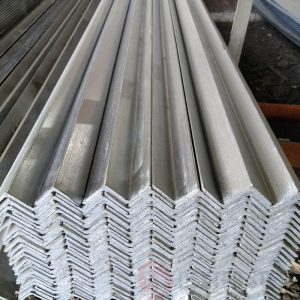
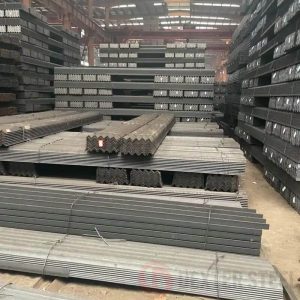
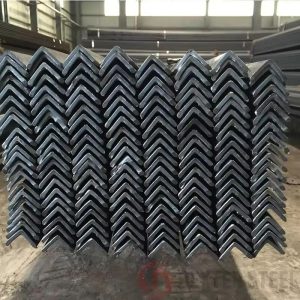
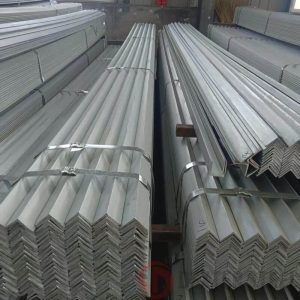
Characteristics
Carbon structural steel angle is defined by its predictable mechanical properties. The material offers a minimum yield strength of 36 ksi and tensile strength ranging from 58 to 80 ksi, providing engineers with reliable data for structural calculations.
Weldability is a hallmark of this product category. The chemical composition, with controlled carbon and manganese levels, allows for strong, sound welds using common arc welding processes. This characteristic is essential for fabricating trusses, frames, and connections where weld integrity directly impacts structural safety.
Cost-effectiveness drives material selection for many projects. Mild Carbon structural steel angle offers the most economical solution for applications where ultra-high strength or specialized corrosion resistance is not required.
Comparison Table
| Dimension | Carbon Structural Steel Angle | HSLA Steel Angle | Weathering Steel Angle |
|---|---|---|---|
| Yield Strength | 36 ksi minimum (typical grade). Provides adequate strength for general building frames and secondary members where weight is not the primary design constraint. | 50 ksi to 70 ksi range. Allows for lighter sections and reduced material usage in applications like equipment manufacturing and transportation. | 50 ksi minimum. Combines moderate strength with atmospheric corrosion resistance for unpainted bridges and outdoor structures. |
| Weldability | Excellent with standard low-hydrogen processes. No preheat typically required for common thicknesses, simplifying fabrication. | Good, but may require controlled heat input and specific consumables to maintain properties in the heat-affected zone. | Requires specific welding procedures and matching filler metals to maintain corrosion resistance and mechanical integrity in the weld area. |
| Corrosion Resistance | Requires protective coatings (paint, galvanizing) for outdoor exposure. Not intended for uncoated service in weathering environments. | Similar to carbon steel; needs supplemental corrosion protection unless specified with enhanced weathering characteristics. | Forms a protective patina when cyclically wet and dry, eliminating the need for painting in suitable atmospheric conditions. |
Value Added Sevices
Carbon structural steel angle serves as the backbone for buildings, bridges, and industrial plants. Processing these angles prior to delivery ensures faster on-site assembly, reduced labor costs, and compliance with structural specifications.
Frequently Asked Questions
These technical questions represent the most common inquiries from structural engineers and procurement professionals who need to verify material properties and compliance before committing to large-volume orders. Understanding these points ensures your project specifications are met accurately.
What are the main differences between ASTM A36 and ASTM A992 for structural angles?
ASTM A36 is the standard specification for carbon structural steel, with a minimum yield strength of 36 ksi. A992 is primarily designed for wide-flange shapes with stricter requirements for yield-to-tensile ratios. For angles, A36 remains the most commonly specified grade due to its availability and predictable performance in framing applications.
Can carbon structural steel angle be welded without special procedures?
Yes, carbon structural steel angle exhibits excellent weldability using standard shop practices. Preheating is generally not required for thicknesses under 3 inches when using low-hydrogen electrodes. However, proper joint preparation and adherence to qualified welding procedures appropriate for the specific grade and application are always recommended.
What is the standard tolerance for straightness and length?
ASTM A6 governs dimensional tolerances for structural angles. The maximum sweep (camber) is 1/8 inch times the total length in feet divided by 10. For length, standard tolerances are +1/2 inch, -1/4 inch for lengths up to 30 feet. Tighter tolerances are available through our processing services upon request.
Does carbon structural steel angle require impact testing?
Standard grade A36 carbon steel angle does not automatically include Charpy V-Notch impact testing requirements. If your project specifications call for low-temperature impact resistance, we can coordinate with the mill to source material with supplemental testing or advise on suitable alternative grades that meet those performance criteria.
ASTM A36 is the standard specification for carbon structural steel, with a minimum yield strength of 36 ksi. A992 is primarily designed for wide-flange shapes with stricter requirements for yield-to-tensile ratios. For angles, A36 remains the most commonly specified grade due to its availability and predictable performance in framing applications.
Yes, carbon structural steel angle exhibits excellent weldability using standard shop practices. Preheating is generally not required for thicknesses under 3 inches when using low-hydrogen electrodes. However, proper joint preparation and adherence to qualified welding procedures appropriate for the specific grade and application are always recommended.
ASTM A6 governs dimensional tolerances for structural angles. The maximum sweep (camber) is 1/8 inch times the total length in feet divided by 10. For length, standard tolerances are +1/2 inch, -1/4 inch for lengths up to 30 feet. Tighter tolerances are available through our processing services upon request.
Standard grade A36 carbon steel angle does not automatically include Charpy V-Notch impact testing requirements. If your project specifications call for low-temperature impact resistance, we can coordinate with the mill to source material with supplemental testing or advise on suitable alternative grades that meet those performance criteria.
Industries Served
Carbon structural steel angle serves as the foundation for countless fabricated structures across construction and industrial sectors. Its excellent weldability, formability, and cost-effectiveness make it the first choice for load-bearing finished products where reliability and economy are paramount.
Building and Construction
- Structural building frames
- Roof trusses
- Floor joists
- Bridge support brackets
- Deck supports
Agricultural
- Barn framing
- Livestock shelter structures
- Livestock handling frames
- Fence line feeders
Industrial Equipment
- Machinery bases
- Material handling rack
- Equipment supports
Material Grades
ASTM A36
ASTM A36 covers carbon steel shapes, plates, and bars. It is the most widely used structural steel grade, offering 36 ksi minimum yield strength and excellent weldability for general construction purposes.
GB Q235B
GB Q235B is the Chinese standard equivalent to ASTM A36, with a yield strength of 235 MPa. It is commonly specified for building structures and general engineering applications in projects following Chinese design codes.
ASTM A572 Grade 50
ASTM A572 Grade 50 offers higher strength at 50 ksi yield while maintaining good weldability. Used when design requirements call for higher load capacity without increasing section size.
JIS G3101 SS400
JIS G3101 SS400 is a Japanese standard material commonly used in structural applications. It has a tensile strength range of 400-510 MPa and is widely available in Asian markets for building frames and civil engineering projects.