Value Added Sevices
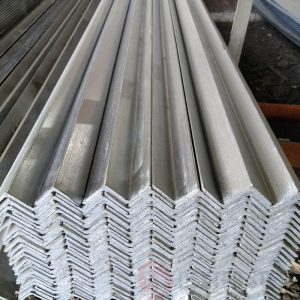
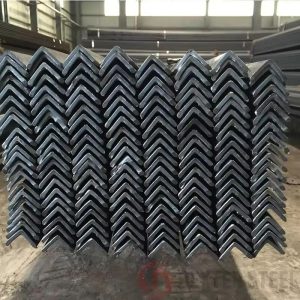
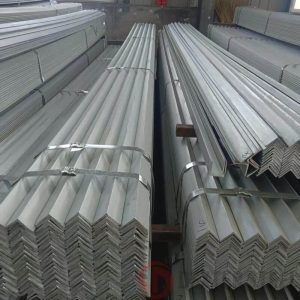
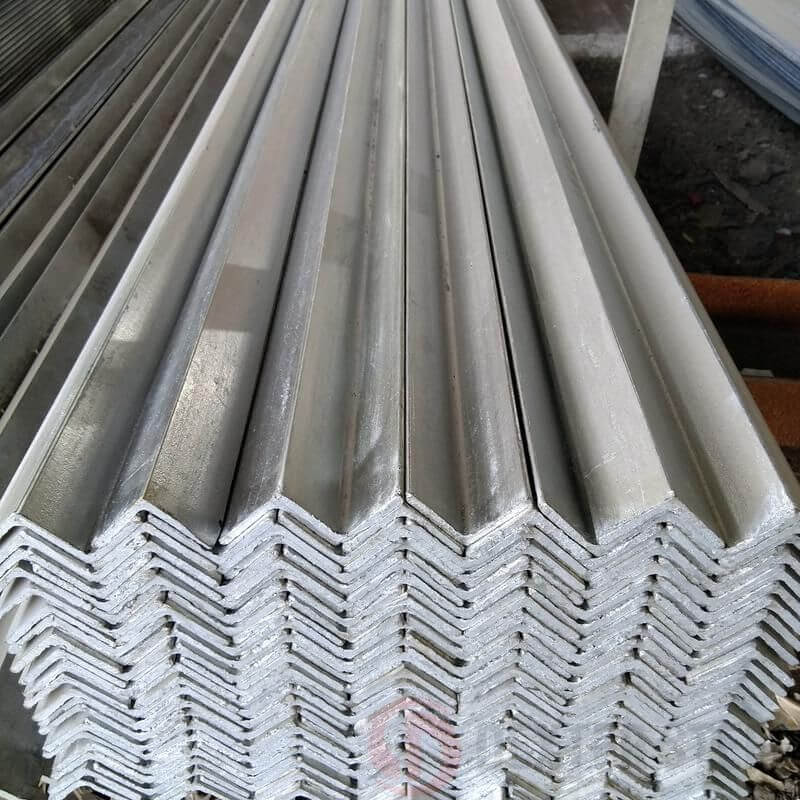
Weathering steel angle develops a protective patina for bridges, outdoor sculptures, and architectural features. Processing before installation ensures proper patina formation and eliminates the need for field painting in exposed environments.
Frequently Asked Questions
Questions from designers and specifiers typically focus on the conditions required for proper patina formation, limitations on use in certain environments, and how connections and details should be designed to achieve the anticipated service life.
What environmental conditions are required for weathering steel to perform properly?
The material requires regular cycles of wetting and drying to form and maintain the protective patina. It performs best in environments with moderate rainfall and humidity. Continuous immersion in water, burial in soil, or persistent salt spray exposure will prevent proper patina formation and may lead to accelerated corrosion.
Can weathering steel be welded, and what filler metal should be used?
Yes, weathering steel can be welded using standard processes. Filler metal should match or exceed the mechanical properties and provide similar weathering characteristics. Commonly used filler metals include those meeting ASTM A709 Grade 50W specifications. Using carbon steel filler in exposed areas may result in differential corrosion at the weld.
How long does it take for the patina to fully develop?
The protective patina typically develops over 1 to 3 years of atmospheric exposure, depending on environmental conditions. Initial oxidation appears quickly, but stabilization to a fully protective layer requires time. Design should accommodate runoff staining during this period, as iron-rich runoff can stain adjacent materials.
Is weathering steel suitable for marine environments?
Weathering steel is generally not recommended for direct marine spray zones or locations within one mile of saltwater coastlines, where airborne chlorides interfere with patina formation. In such environments, stainless steel or properly coated systems are more appropriate choices.
Does weathering steel require any special detailing?
Yes, design details should promote drainage and avoid water or debris entrapment. Joints and crevices where moisture can collect should be sealed or detailed to drain freely. Connections should use weathering grade bolts or be detailed to accommodate the material’s section loss if standard fasteners are used.
The material requires regular cycles of wetting and drying to form and maintain the protective patina. It performs best in environments with moderate rainfall and humidity. Continuous immersion in water, burial in soil, or persistent salt spray exposure will prevent proper patina formation and may lead to accelerated corrosion.
Yes, weathering steel can be welded using standard processes. Filler metal should match or exceed the mechanical properties and provide similar weathering characteristics. Commonly used filler metals include those meeting ASTM A709 Grade 50W specifications. Using carbon steel filler in exposed areas may result in differential corrosion at the weld.
The protective patina typically develops over 1 to 3 years of atmospheric exposure, depending on environmental conditions. Initial oxidation appears quickly, but stabilization to a fully protective layer requires time. Design should accommodate runoff staining during this period, as iron-rich runoff can stain adjacent materials.
Weathering steel is generally not recommended for direct marine spray zones or locations within one mile of saltwater coastlines, where airborne chlorides interfere with patina formation. In such environments, stainless steel or properly coated systems are more appropriate choices.
Yes, design details should promote drainage and avoid water or debris entrapment. Joints and crevices where moisture can collect should be sealed or detailed to drain freely. Connections should use weathering grade bolts or be detailed to accommodate the material’s section loss if standard fasteners are used.
Material Grades
ASTM A588
ASTM A588 is a weathering steel for structural plates with 50 ksi yield strength and enhanced corrosion resistance.
ASTM A242
ASTM A242 is an older, high-strength steel with improved corrosion resistance, less commonly used than A588.
EN 10025-5 S355J0W
It is the European weathering steel with improved corrosion resistance and impact properties for welded structures.
COR-TEN B
COR-TEN B offers better weldability than A, with properties similar to ASTM A588 for structural uses.