Material Grades Available
Equal Steel Angles can be supplied in:
- Q235B / Q355B (China)
- ASTM A36 (USA)
- S235JR / S275JR (EN)
- SS400 (Japan)
These equivalents (aka) ensure compatibility with designs across global markets.
Surface Options
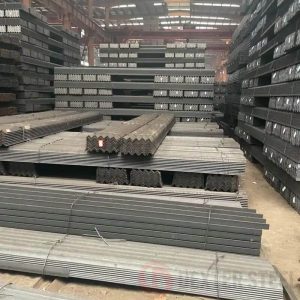
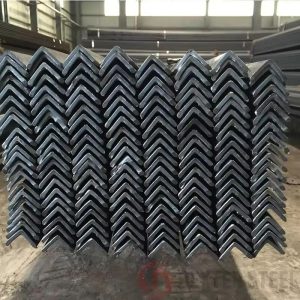
- Black (mill finish)
- Pickled & oiled
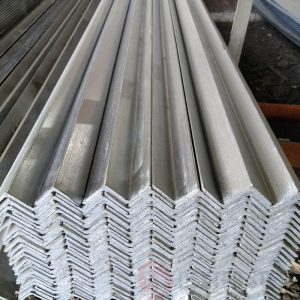
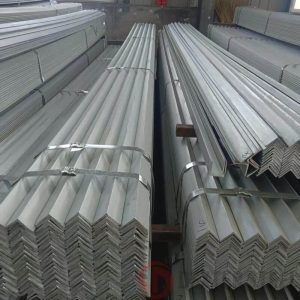
- Hot-dip galvanized
- Painted or powder coated
Quality Assurance
Dexter Steel performs dimensional checks, weldability tests, and straightness inspection to ensure each batch meets engineering requirements.
Frequently Asked Questions
Many customers working with Equal Steel Angles focus on load performance, weldability, structural applications, and grade selection. These FAQs represent the most common engineering and procurement concerns that Dexter Steel receives from global buyers, helping them make the right material decision for their project.
steel angle sizes vary by region?
Yes. Standard metric and imperial sizes differ by region, but Dexter Steel supplies custom-cut and non-standard sizes for global markets.
Is equal angle suitable for welding?
Yes. Most equal angles use mild structural grades such as Q235B, Q355B, ASTM A36, or S235JR, which have excellent weldability.
Can equal angles be used outdoors?
Yes. For outdoor or corrosive environments, hot-dip galvanization or painting is commonly applied to improve durability.
What is the typical tolerance on equal angles?
Dimensional tolerances follow standards such as EN 10056 or ASTM A6, ensuring consistent leg length, thickness, and straightness.
Do equal angles support bending and drilling?
Yes. Equal angles are frequently processed through bending, drilling, punching, and welding for fabricated assemblies.
Yes. Standard metric and imperial sizes differ by region, but Dexter Steel supplies custom-cut and non-standard sizes for global markets.
Yes. Most equal angles use mild structural grades such as Q235B, Q355B, ASTM A36, or S235JR, which have excellent weldability.
Yes. For outdoor or corrosive environments, hot-dip galvanization or painting is commonly applied to improve durability.
Dimensional tolerances follow standards such as EN 10056 or ASTM A6, ensuring consistent leg length, thickness, and straightness.
Yes. Equal angles are frequently processed through bending, drilling, punching, and welding for fabricated assemblies.
Industries Served
Construction & Infrastructure
- Structural frames
- Bracing members
- Staircase components
- Roof purlin supports
- Guard rail components
Industrial
- Machine bases
- Equipment frames
- Reinforcement parts
- HVAC mounting structures
- Skid frame elements
General Metal Fabrication
- Cut-to-size segments
- Edge guards
- Welding-ready angle components