Frequently Asked Questions
Checker steel plate buyers typically focus on slip resistance performance, pattern type, and structural strength. Industrial fabricators and transportation equipment manufacturers need to ensure that the plate provides reliable traction while maintaining sufficient load-bearing capacity.
What is the purpose of the raised pattern on checker steel plates?
The raised pattern improves traction and reduces the risk of slipping on the steel surface. This feature is especially important in industrial environments where floors may become wet, oily, or exposed to dust.
Are checker steel plates suitable for structural applications?
Checker plates can support moderate loads and are often used for flooring, platforms, and vehicle surfaces. However, they are generally used as surface panels rather than primary load-bearing structural components.
What types of surface patterns are commonly used for checker steel plates?
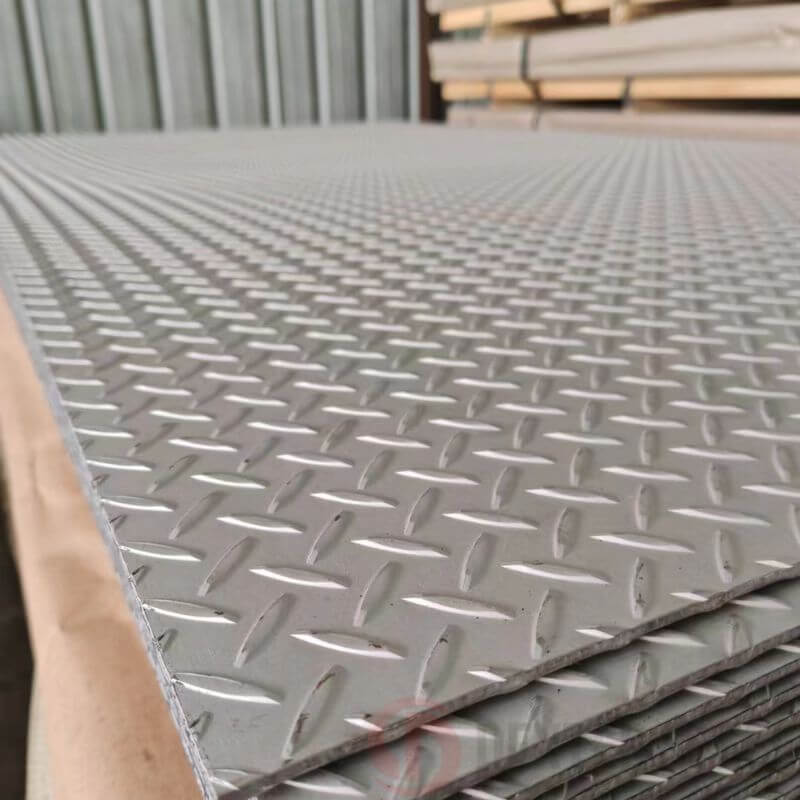
Common patterns include diamond patterns, lentil patterns, and five-bar patterns. These designs are produced during rolling and are selected based on regional standards or application requirements.
Can checker steel plates be cut and welded during fabrication?
Yes. Checker plates can be cut, welded, and formed using conventional fabrication processes similar to other carbon steel plates. Care should be taken during forming to account for the raised pattern height.
What industries commonly use checker steel plates?
Industries such as construction, transportation, manufacturing, and infrastructure frequently use checker plates for flooring systems, truck beds, stair treads, ramps, and protective equipment surfaces.
The raised pattern improves traction and reduces the risk of slipping on the steel surface. This feature is especially important in industrial environments where floors may become wet, oily, or exposed to dust.
Checker plates can support moderate loads and are often used for flooring, platforms, and vehicle surfaces. However, they are generally used as surface panels rather than primary load-bearing structural components.
Common patterns include diamond patterns, lentil patterns, and five-bar patterns. These designs are produced during rolling and are selected based on regional standards or application requirements.
Yes. Checker plates can be cut, welded, and formed using conventional fabrication processes similar to other carbon steel plates. Care should be taken during forming to account for the raised pattern height.
Industries such as construction, transportation, manufacturing, and infrastructure frequently use checker plates for flooring systems, truck beds, stair treads, ramps, and protective equipment surfaces.
Related Glossaries
The diamond pattern is one of the most common checker plate surface designs. It consists of small raised diamond-shaped protrusions arranged in repeating rows to improve traction.
A tread surface is a textured steel surface designed to improve grip. Checker steel plates are often referred to as tread plates because they provide traction for walking surfaces.
Pattern rolling is the manufacturing process used to create raised designs on the steel surface during hot rolling. The rolling mill uses specially designed rollers that imprint the pattern onto the plate.
The diamond pattern is one of the most common checker plate surface designs. It consists of small raised diamond-shaped protrusions arranged in repeating rows to improve traction.
A tread surface is a textured steel surface designed to improve grip. Checker steel plates are often referred to as tread plates because they provide traction for walking surfaces.
Pattern rolling is the manufacturing process used to create raised designs on the steel surface during hot rolling. The rolling mill uses specially designed rollers that imprint the pattern onto the plate.
Industries Served
Integral slip-resistant pattern; used for safety and traction.
Transportation & Mobile Equipment:
- Trailer decking and flatbed flooring
- Running boards and steps
Industrial Flooring & Platforms:
- Mezzanine flooring
- Factory walkways Stair treads
Architectural & Public Spaces:
- Pedestrian bridge decking
- Escalator entry and exit plates