Value Added Sevices
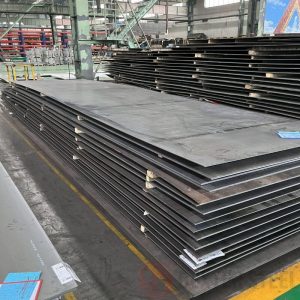
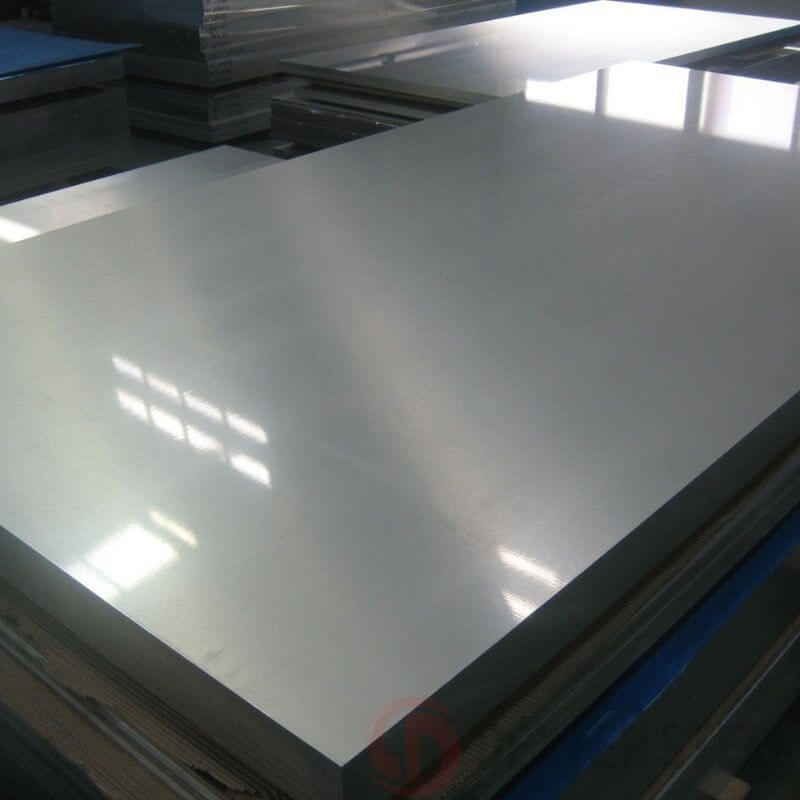
Cold rolled steel plate offers superior surface finish and tighter dimensional accuracy than hot rolled alternatives. Precision part producers select this material when smooth surfaces and consistent thickness are required for forming, coating, or visible applications.
Frequently Asked Questions
Cold rolled steel plate buyers typically focus on dimensional precision, surface finish quality, and forming performance. Precision fabrication companies and component manufacturers often evaluate cold rolled materials when applications require smooth surfaces, tight thickness control, and reliable forming behavior.
What distinguishes cold rolled steel plate from hot rolled steel plate?
Cold rolled steel plate is produced by further rolling hot rolled steel at room temperature. This process improves thickness accuracy, surface smoothness, and mechanical consistency compared with standard hot rolled plates.
Why does cold rolled steel plate have a smoother surface finish?
The cold rolling process compresses the steel under controlled conditions without the high-temperature oxidation seen in hot rolling. As a result, the plate surface is cleaner and smoother, making it more suitable for painting, coating, or visible applications.
Is cold rolled steel plate suitable for precision forming operations?
Yes. Cold rolled steel plates provide improved dimensional consistency and surface quality, which makes them suitable for stamping, bending, and forming operations used in automotive components, appliances, and precision sheet metal fabrication.
When should manufacturers choose cold rolled steel plate instead of hot rolled material?
Cold rolled steel plates are usually selected when applications require tighter thickness tolerance, smooth surface finish, and better dimensional stability for secondary processing such as coating, forming, or precision fabrication.
Does cold rolled steel plate have higher strength than hot rolled steel?
Cold rolling can slightly increase strength due to work hardening during the rolling process. However, the primary advantages of cold rolled steel are dimensional accuracy and surface quality rather than significantly higher strength.
Cold rolled steel plate is produced by further rolling hot rolled steel at room temperature. This process improves thickness accuracy, surface smoothness, and mechanical consistency compared with standard hot rolled plates.
The cold rolling process compresses the steel under controlled conditions without the high-temperature oxidation seen in hot rolling. As a result, the plate surface is cleaner and smoother, making it more suitable for painting, coating, or visible applications.
Yes. Cold rolled steel plates provide improved dimensional consistency and surface quality, which makes them suitable for stamping, bending, and forming operations used in automotive components, appliances, and precision sheet metal fabrication.
Cold rolled steel plates are usually selected when applications require tighter thickness tolerance, smooth surface finish, and better dimensional stability for secondary processing such as coating, forming, or precision fabrication.
Cold rolling can slightly increase strength due to work hardening during the rolling process. However, the primary advantages of cold rolled steel are dimensional accuracy and surface quality rather than significantly higher strength.
Related Glossaries
Annealing is a heat treatment process often applied after cold rolling to relieve internal stresses and restore ductility. This allows cold rolled steel to maintain good formability for stamping and bending operations.
Cold reduction refers to the process of rolling steel at room temperature after the initial hot rolling stage. This additional rolling step improves thickness precision, surface smoothness, and mechanical consistency of the final steel plate.
Formability describes how easily a steel plate can be bent, stamped, or shaped without cracking. Cold rolled steels are often designed to provide stable formability for precision manufacturing applications.
Annealing is a heat treatment process often applied after cold rolling to relieve internal stresses and restore ductility. This allows cold rolled steel to maintain good formability for stamping and bending operations.
Cold reduction refers to the process of rolling steel at room temperature after the initial hot rolling stage. This additional rolling step improves thickness precision, surface smoothness, and mechanical consistency of the final steel plate.
Formability describes how easily a steel plate can be bent, stamped, or shaped without cracking. Cold rolled steels are often designed to provide stable formability for precision manufacturing applications.