Value Added Sevices
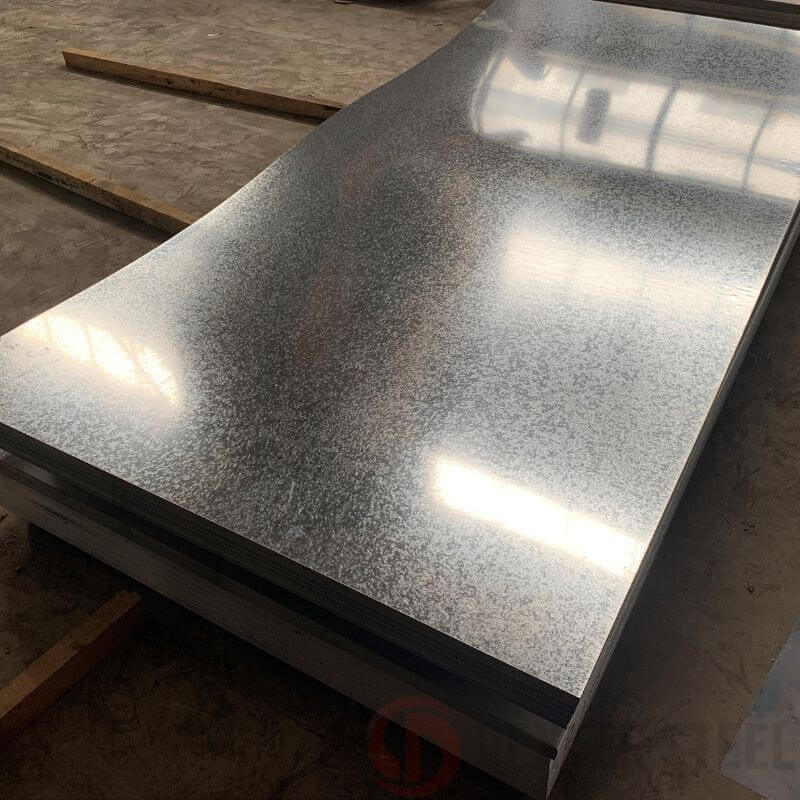
Galvanized steel plate features a protective zinc coating that prevents corrosion in demanding environments. Construction panel manufacturers and enclosure fabricators value its reliable coating weight and immediate weather resistance without additional surface treatment.
Frequently Asked Questions
Buyers of galvanized steel plates typically focus on coating weight, corrosion resistance, and surface condition. Construction fabricators and equipment manufacturers need to ensure the zinc coating provides sufficient protection for the intended environment while remaining suitable for downstream forming or fabrication.
What is the purpose of galvanizing steel plates?
Galvanizing applies a protective zinc coating to the steel surface. The zinc layer prevents direct exposure of the steel to moisture and oxygen while also providing sacrificial protection if the coating is scratched or damaged.
What does coating weight mean for galvanized steel plates?
Coating weight refers to the amount of zinc applied to the steel surface, usually expressed in grams per square meter. Higher coating weight generally provides longer corrosion protection in outdoor environments.
Can galvanized steel plates be welded or fabricated?
Yes. Galvanized steel plates can be welded, cut, and formed, although proper ventilation is required during welding because zinc fumes may be generated. In some applications, the coating near weld areas may be removed before welding.
How does galvanized steel compare with painted steel for corrosion protection?
Galvanized steel provides corrosion protection through the zinc coating itself, while painted steel relies only on the paint layer as a barrier. If paint is damaged, corrosion can begin quickly, whereas zinc continues protecting the steel through sacrificial action.
Is galvanized steel plate suitable for outdoor structures?
Yes. Galvanized steel is widely used in outdoor construction because the zinc coating provides long-term corrosion resistance against rain, humidity, and atmospheric exposure.
Galvanizing applies a protective zinc coating to the steel surface. The zinc layer prevents direct exposure of the steel to moisture and oxygen while also providing sacrificial protection if the coating is scratched or damaged.
Coating weight refers to the amount of zinc applied to the steel surface, usually expressed in grams per square meter. Higher coating weight generally provides longer corrosion protection in outdoor environments.
Yes. Galvanized steel plates can be welded, cut, and formed, although proper ventilation is required during welding because zinc fumes may be generated. In some applications, the coating near weld areas may be removed before welding.
Galvanized steel provides corrosion protection through the zinc coating itself, while painted steel relies only on the paint layer as a barrier. If paint is damaged, corrosion can begin quickly, whereas zinc continues protecting the steel through sacrificial action.
Yes. Galvanized steel is widely used in outdoor construction because the zinc coating provides long-term corrosion resistance against rain, humidity, and atmospheric exposure.
Industries Served
Corrosion-resistant coating; used where longevity and low maintenance are required.
Construction & Building:
- Roofing sheets and wall cladding
- Prefabricated metal building components
Enclosures & Electrical:
- Electrical control boxes and panel boards
- Transformer and generator enclosures
Transportation & Agriculture:
- Truck trailer side panels and flooring
- Animal confinement flooring and gates