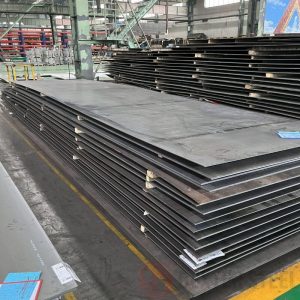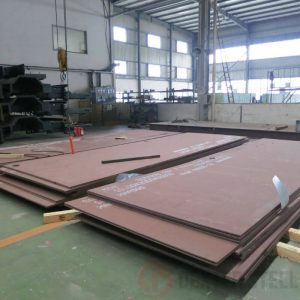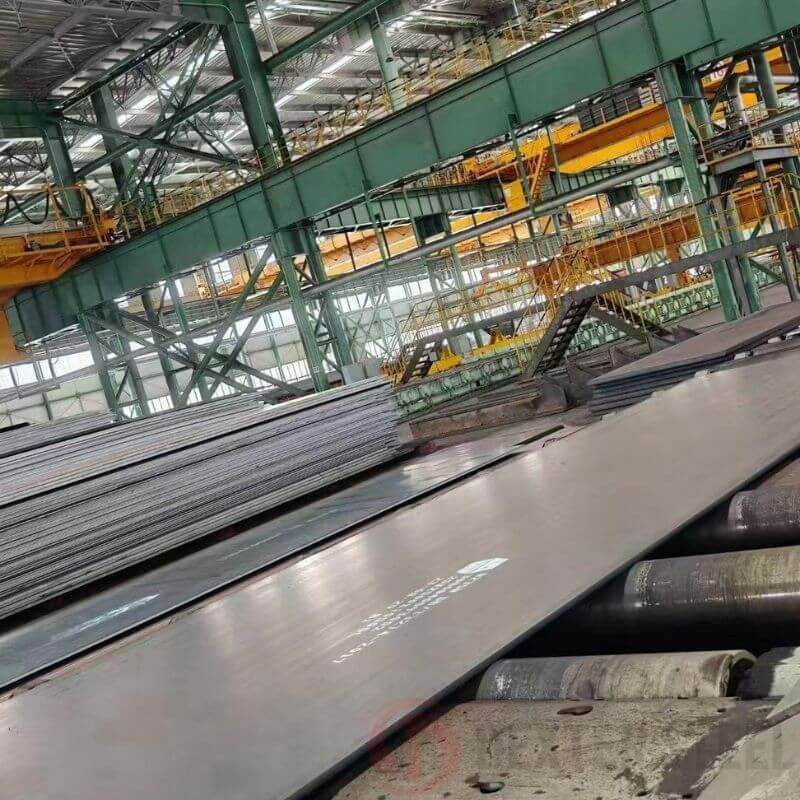
Pressure vessel steel plate is designed to safely withstand internal pressure and temperature conditions in industrial equipment. The material must meet strict mechanical property requirements and maintain reliable performance throughout the service life of the vessel.
These steels are produced under tighter quality control compared with general structural steels. Additional testing such as impact testing and chemical verification ensures the material can resist brittle fracture and perform reliably under pressure.
Another important characteristic is weldability. Pressure vessel steels are commonly used in welded equipment such as boilers and storage tanks, so their chemical composition is carefully controlled to allow safe welding procedures.
Certification and traceability are also critical features. Pressure vessel steel plates are typically supplied with detailed mill test certificates and may require third-party inspection depending on project specifications.
| Comparison Dimension | Pressure Vessel Steel Plate | Shipbuilding Steel Plate | Structural Steel Plate |
|---|---|---|---|
| Primary application | Equipment operating under internal pressure | Marine structures and ship hull construction | Buildings, bridges, and structural frameworks |
| Mechanical performance focus | Strength, toughness, and pressure resistance | Strength and toughness for marine loading | Yield strength and structural reliability |
| Typical industries | Petrochemical plants, boilers, pressure tanks | Shipyards, offshore fabrication | Construction and infrastructure engineering |
Value Added Sevices
Pressure vessel steel plate meets stringent code requirements for containing internal pressure safely. Boiler and tank manufacturers require full material traceability and certified impact properties for fabricating vessels that withstand demanding service conditions.
Frequently Asked Questions
Pressure vessel steel plate buyers typically focus on certification requirements, impact toughness, and welding performance. Manufacturers of boilers and pressure equipment must ensure that the material meets strict safety standards and performs reliably under pressure and temperature conditions.
What makes pressure vessel steel plates different from structural steel plates?
Pressure vessel steels are produced according to specialized standards that require controlled chemical composition, mechanical properties, and additional testing. These requirements ensure the steel can safely withstand internal pressure and operating stresses.
Why is impact testing required for pressure vessel steel plates?
Impact testing verifies the steel’s ability to absorb energy without fracturing at specific temperatures. This property is important for pressure equipment operating in low-temperature environments where brittle fracture must be avoided.
Are pressure vessel steel plates suitable for welding during equipment fabrication?
Yes. Pressure vessel steels are designed with controlled carbon content and alloy composition to ensure good weldability. However, welding procedures must follow approved specifications to maintain safety and mechanical performance.
What standards are commonly used for pressure vessel steel plates?
Common international standards include ASTM A516, ASTM A537, EN 10028 series, and similar specifications. These standards define mechanical properties, chemical composition, and testing requirements for pressure equipment materials.
Why is traceability important for pressure vessel steel plates?
Traceability ensures that each steel plate can be linked to its production batch and testing records. This documentation is critical for safety compliance and regulatory approval in pressure equipment manufacturing.
Pressure vessel steels are produced according to specialized standards that require controlled chemical composition, mechanical properties, and additional testing. These requirements ensure the steel can safely withstand internal pressure and operating stresses.
Impact testing verifies the steel’s ability to absorb energy without fracturing at specific temperatures. This property is important for pressure equipment operating in low-temperature environments where brittle fracture must be avoided.
Yes. Pressure vessel steels are designed with controlled carbon content and alloy composition to ensure good weldability. However, welding procedures must follow approved specifications to maintain safety and mechanical performance.
Common international standards include ASTM A516, ASTM A537, EN 10028 series, and similar specifications. These standards define mechanical properties, chemical composition, and testing requirements for pressure equipment materials.
Traceability ensures that each steel plate can be linked to its production batch and testing records. This documentation is critical for safety compliance and regulatory approval in pressure equipment manufacturing.
Material Grades
Q345R (GB/T 713)
Chinese boiler and pressure vessel steel with good properties.
16Mo3 (EN 10028-2)
European Cr-Mo steel for boilers and high-temperature piping.
P355GH (EN 10028-2)
European fine-grain steel, 355 MPa yield for pressure equipment.
ASTM A516 Grade 70
Carbon steel plate for pressure vessels, good toughness and weldability.