Value Added Sevices
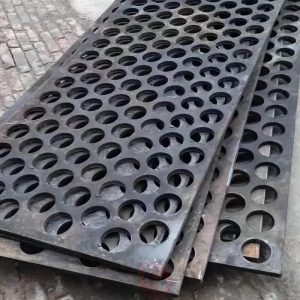
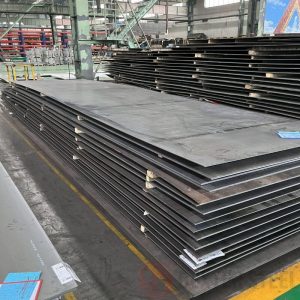
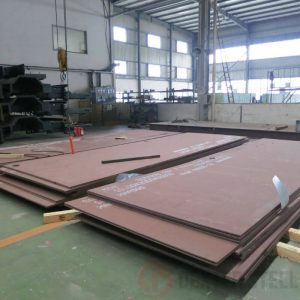
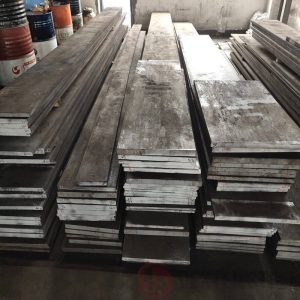
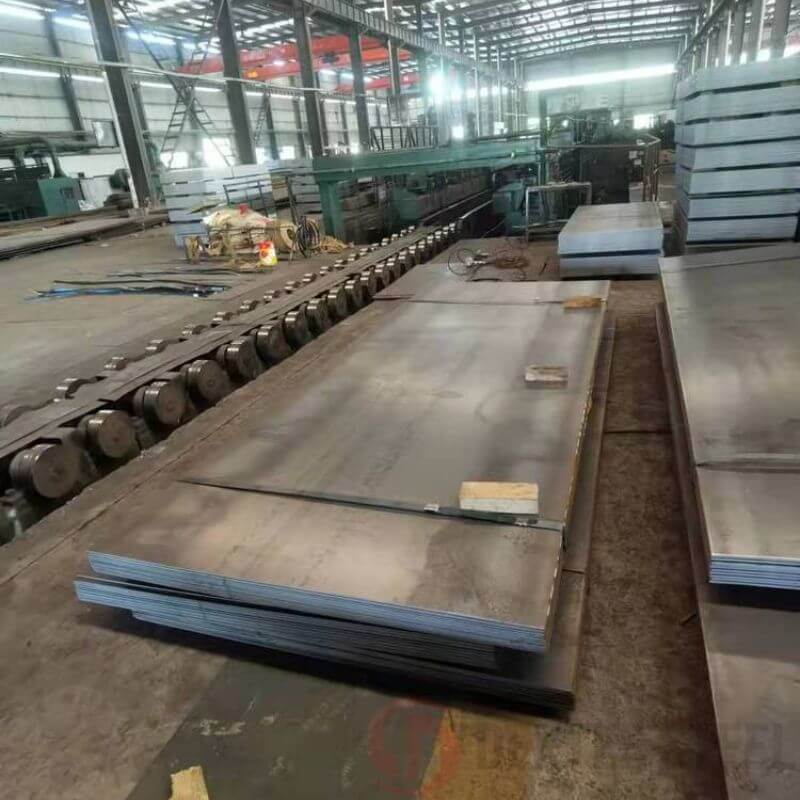
Shipbuilding steel plate carries classification society approval for marine construction. Shipyards and offshore fabricators require guaranteed through-thickness properties and controlled delivery schedules for hull construction and marine structures.
Frequently Asked Questions
Shipbuilding steel plate buyers usually focus on classification certification, toughness requirements, and welding performance. Shipyards and offshore fabricators must ensure that the steel complies with marine standards while maintaining structural reliability under dynamic loading conditions.
What makes shipbuilding steel plates different from ordinary structural steel plates?
Shipbuilding steel plates are produced according to marine classification standards and must meet strict requirements for strength, weldability, and impact toughness to ensure safe performance in ship hull structures.
Why is classification society certification important for shipbuilding steel?
Classification societies such as ABS, DNV, LR, and BV establish technical standards for ships and offshore structures. Steel plates used in these structures must be certified to confirm they meet the required mechanical properties and quality standards.
Why is impact toughness important in shipbuilding steel plates?
Ships and offshore structures are exposed to dynamic loads from waves and low-temperature environments. Adequate toughness ensures the steel can absorb impact energy without brittle fracture under these conditions.
Can shipbuilding steel plates be easily welded during ship construction?
Yes. Shipbuilding steels are designed with controlled chemical composition to provide good weldability. This is essential because large ship structures rely heavily on welded joints during assembly.
What industries commonly use shipbuilding steel plates?
Shipbuilding steel plates are widely used in ship hull structures, offshore oil platforms, marine equipment fabrication, and port infrastructure where materials must withstand marine environmental conditions.
Shipbuilding steel plates are produced according to marine classification standards and must meet strict requirements for strength, weldability, and impact toughness to ensure safe performance in ship hull structures.
Classification societies such as ABS, DNV, LR, and BV establish technical standards for ships and offshore structures. Steel plates used in these structures must be certified to confirm they meet the required mechanical properties and quality standards.
Ships and offshore structures are exposed to dynamic loads from waves and low-temperature environments. Adequate toughness ensures the steel can absorb impact energy without brittle fracture under these conditions.
Yes. Shipbuilding steels are designed with controlled chemical composition to provide good weldability. This is essential because large ship structures rely heavily on welded joints during assembly.
Shipbuilding steel plates are widely used in ship hull structures, offshore oil platforms, marine equipment fabrication, and port infrastructure where materials must withstand marine environmental conditions.