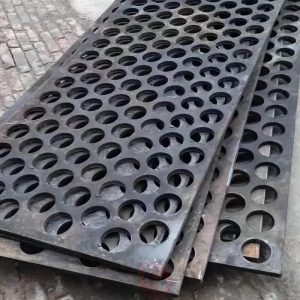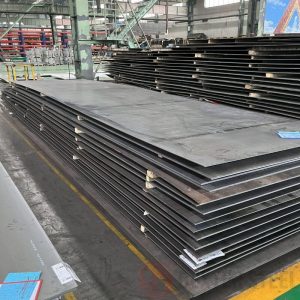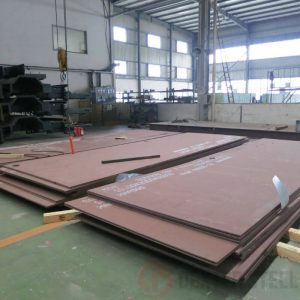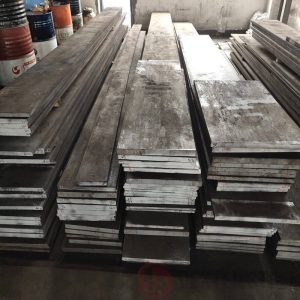
Value Added Sevices
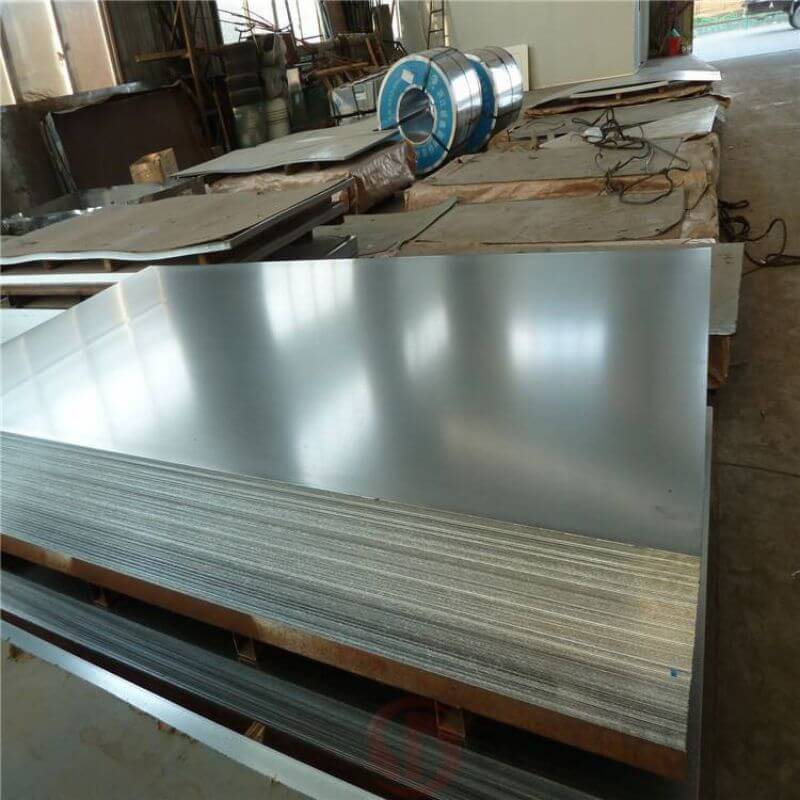
Electrical silicon steel plate features controlled magnetic properties essential for efficient energy conversion. Transformer and motor core manufacturers rely on its low core loss characteristics and precise thickness tolerances to maximize electrical equipment performance.
Frequently Asked Questions
Electrical silicon steel plate buyers usually focus on magnetic properties, core loss performance, and dimensional consistency. Transformer and motor manufacturers need materials that maintain predictable electromagnetic behavior during lamination, stacking, and long-term electrical operation.
What makes electrical silicon steel different from ordinary steel plates?
Electrical silicon steel contains a higher silicon content that improves magnetic permeability and reduces core loss. This allows the material to efficiently conduct magnetic flux while minimizing energy loss during electrical equipment operation.
Why is core loss an important factor for electrical steel?
Core loss represents the energy lost as heat during the magnetization process in motors and transformers. Lower core loss improves electrical efficiency and reduces heat generation, which is critical for high-performance electrical equipment.
How does thickness affect the performance of electrical silicon steel plates?
Thinner electrical steel plates reduce eddy current losses because smaller lamination thickness limits circulating currents inside the core. For this reason, electrical steels are often produced with controlled thin gauges to improve efficiency.
What is the purpose of insulation coating on electrical steel?
Insulation coatings are applied to the surface of electrical steel laminations to electrically isolate individual sheets. This helps reduce eddy current loss between stacked laminations and improves overall electromagnetic efficiency.
Are different grades of electrical silicon steel used for motors and transformers?
Yes. Grain-oriented electrical steels are commonly used in transformers where magnetic flux direction is predictable, while non-oriented grades are typically used in motors where magnetic fields rotate during operation.
Electrical silicon steel contains a higher silicon content that improves magnetic permeability and reduces core loss. This allows the material to efficiently conduct magnetic flux while minimizing energy loss during electrical equipment operation.
Core loss represents the energy lost as heat during the magnetization process in motors and transformers. Lower core loss improves electrical efficiency and reduces heat generation, which is critical for high-performance electrical equipment.
Thinner electrical steel plates reduce eddy current losses because smaller lamination thickness limits circulating currents inside the core. For this reason, electrical steels are often produced with controlled thin gauges to improve efficiency.
Insulation coatings are applied to the surface of electrical steel laminations to electrically isolate individual sheets. This helps reduce eddy current loss between stacked laminations and improves overall electromagnetic efficiency.
Yes. Grain-oriented electrical steels are commonly used in transformers where magnetic flux direction is predictable, while non-oriented grades are typically used in motors where magnetic fields rotate during operation.
Material Grades
B35A230
Chinese high‑grade silicon steel for high‑efficiency motors and generators.
35A440
Japanese non-oriented steel for small motors and ballasts.
23ZH85
High‑grade oriented steel, ultra‑low loss for high‑efficiency transformers.