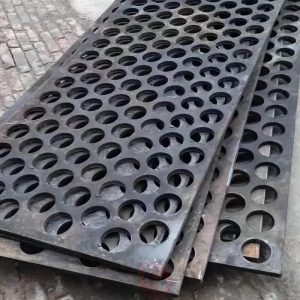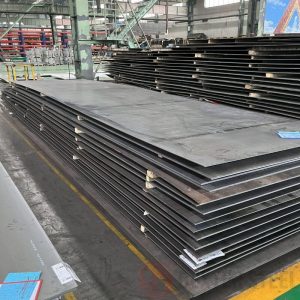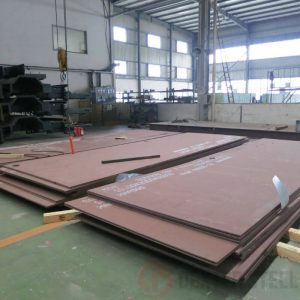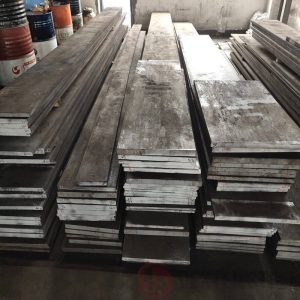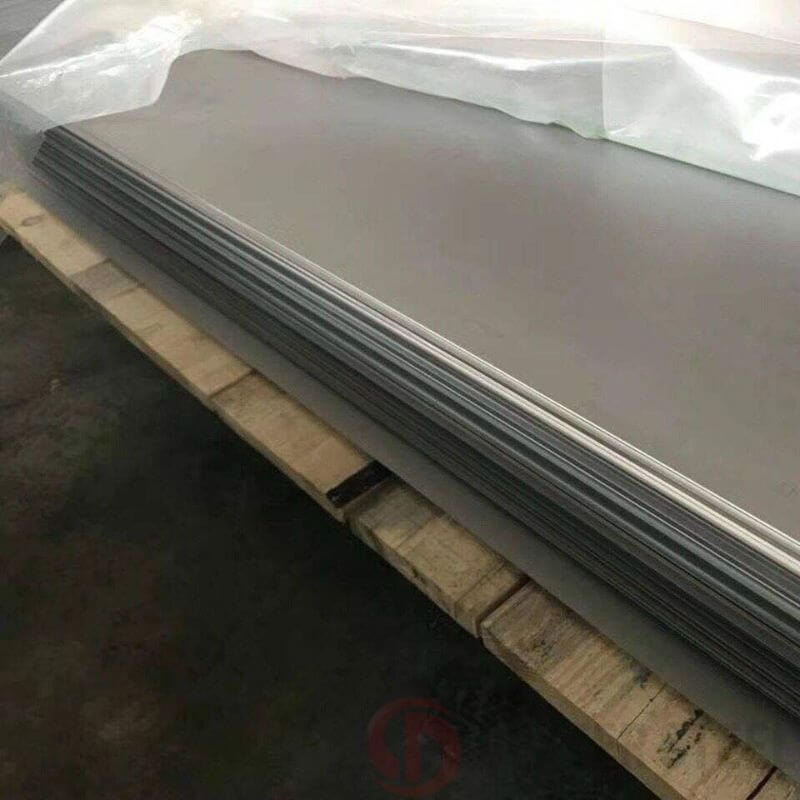
Stainless steel plate provides inherent corrosion resistance due to its chromium-rich composition. Unlike coated steels, the protective passive layer forms naturally on the surface, helping the material resist rust and many chemical environments.
Another important feature is surface finish versatility. Stainless steel plates can be produced with different finishes such as hot rolled, pickled, brushed, or polished surfaces depending on the intended application.
Many stainless steel grades also offer excellent weldability and formability, allowing manufacturers to fabricate tanks, equipment housings, piping systems, and architectural structures.
In addition to corrosion resistance, stainless steel plates can provide good strength, temperature resistance, and long service life, making them suitable for industries that demand durability and low maintenance.
| Comparison Dimension | Stainless Steel Plate | Weathering Steel Plate | Galvanized Steel Plate (HDG) |
|---|---|---|---|
| Corrosion protection mechanism | Internal chromium-based passive layer | Protective rust patina formed during atmospheric exposure | Zinc coating provides sacrificial corrosion protection |
| Suitable environments | Chemical, marine, hygienic, and architectural environments | Outdoor atmospheric exposure such as bridges and structures | General outdoor or construction environments |
Value Added Sevices
Stainless steel plate provides exceptional corrosion resistance and aesthetic appeal for demanding applications. It is the material of choice for food processing equipment, architectural features, chemical tanks, and medical devices requiring hygienic surfaces and long-term durability.
Frequently Asked Questions
Stainless steel plate buyers often focus on corrosion performance, grade selection, and surface finish suitability for fabrication. Equipment manufacturers and architectural fabricators need to understand how different stainless grades behave in various environments to ensure long-term reliability and appearance.
What makes stainless steel plate resistant to corrosion?
Stainless steel contains chromium that forms a thin passive oxide layer on the surface when exposed to oxygen. This protective layer prevents further oxidation and allows the material to resist rust and many chemical environments without the need for protective coatings.
How do buyers choose between common stainless steel grades such as 304 and 316?
Grade 304 is widely used for general corrosion resistance and indoor or mildly corrosive environments. Grade 316 contains additional molybdenum, which improves resistance to chlorides and chemical exposure, making it more suitable for marine, coastal, or chemical processing environments.
Can stainless steel plates be welded easily?
Most common stainless steel grades such as 304 and 316 have good weldability using standard welding processes. Proper filler material selection and heat control are important to maintain corrosion resistance and avoid distortion during fabrication.
Why is surface finish important for stainless steel plate applications?
Surface finish affects both appearance and functional performance. Smooth finishes are often required for food processing or sanitary equipment, while brushed or patterned finishes may be preferred in architectural applications where visual consistency is important.
Does stainless steel plate require maintenance in corrosive environments?
Although stainless steel provides strong corrosion resistance, regular cleaning and proper material selection are still important. In environments with chlorides or chemical exposure, choosing the correct grade and maintaining surface cleanliness helps preserve the passive layer.
Stainless steel contains chromium that forms a thin passive oxide layer on the surface when exposed to oxygen. This protective layer prevents further oxidation and allows the material to resist rust and many chemical environments without the need for protective coatings.
Grade 304 is widely used for general corrosion resistance and indoor or mildly corrosive environments. Grade 316 contains additional molybdenum, which improves resistance to chlorides and chemical exposure, making it more suitable for marine, coastal, or chemical processing environments.
Most common stainless steel grades such as 304 and 316 have good weldability using standard welding processes. Proper filler material selection and heat control are important to maintain corrosion resistance and avoid distortion during fabrication.
Surface finish affects both appearance and functional performance. Smooth finishes are often required for food processing or sanitary equipment, while brushed or patterned finishes may be preferred in architectural applications where visual consistency is important.
Although stainless steel provides strong corrosion resistance, regular cleaning and proper material selection are still important. In environments with chlorides or chemical exposure, choosing the correct grade and maintaining surface cleanliness helps preserve the passive layer.
Material Grades
2205 Duplex
Duplex: High-strength duplex steel with excellent anti-cracking performance for chemical tanks and desalination plants.
1.4301 (EN 10088-2)
European 304 equivalent stainless steel for food equipment and architectural applications.
304
Common austenitic stainless steel with great corrosion resistance and formability for food and architecture.
316
Mo-bearing austenitic steel with better chloride corrosion resistance for chemical and marine uses.
Industries Served
Excellent corrosion resistance and formability; commonly used in hygiene and aesthetic applications.
Food & Beverage Processing:
- Brewery fermentation tanks and wine vats
- Commercial kitchen countertops
- Dairy processing equipment (pasteurizers, storage tanks)
Chemical & Petrochemical:
- Chemical reactor vessels and pressure vessels
- Storage tanks
Architectural & Construction:
- Building cladding
- Elevator cab interiors and door panels
- Handrails, balustrades, and street furniture