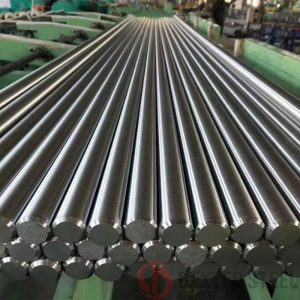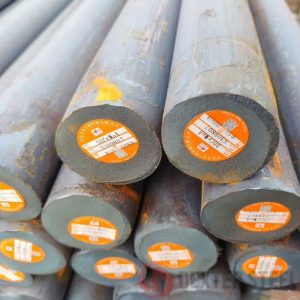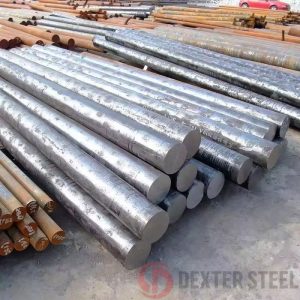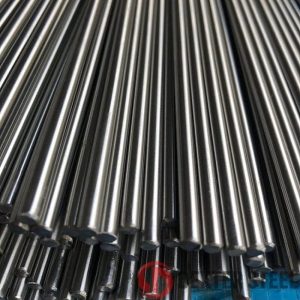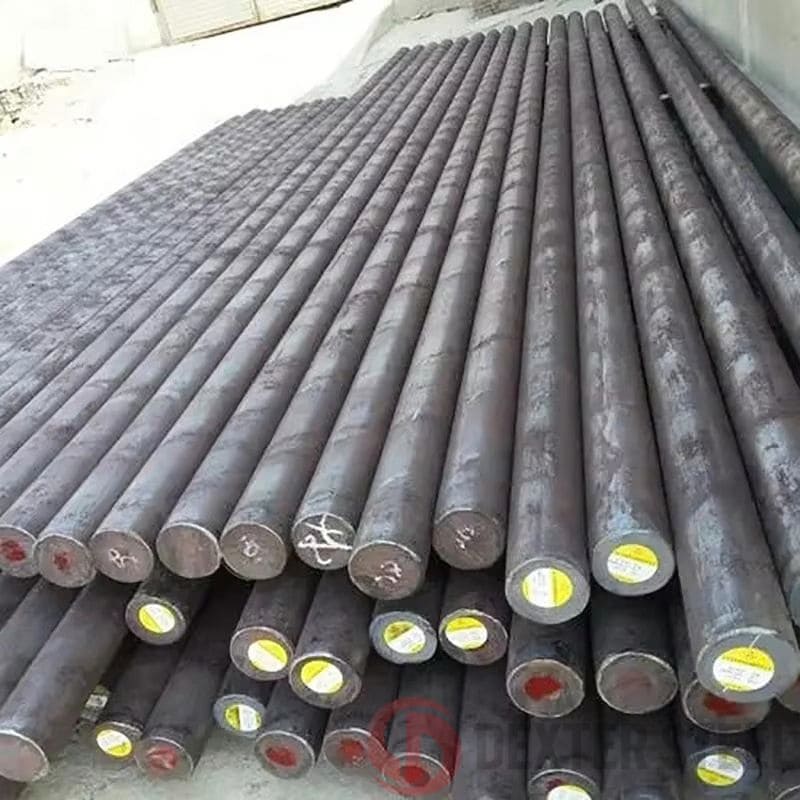
For 1045 shafts, pins and rollers, the supplied condition determines how much manufacturing remains after delivery. Quotations should distinguish stock intended for the buyer’s heat treatment from material supplied with specified heat-treated properties.
| Purchasing route | Main consideration |
|---|---|
| Stock to machine before hardening | Incoming machinability, blank dimensions and allowance for later finishing |
| Quenched-and-tempered stock | Required hardness or mechanical properties, plus the effort needed to machine that condition |
| Stock for induction-hardened components | Core condition, designated working surfaces and finishing requirements after surface hardening |
“1045 bar” or “prehardened 1045” alone does not define the acceptance requirement. State the condition and any required property range on the order.
Separate Surface Wear from Core Loading
A pin may need wear resistance where it contacts a bushing, while a shaft may need strength across its load-bearing section. These requirements should guide the hardening route rather than being reduced to one surface-hardness value.
1045 is often commercially attractive when a medium-carbon grade meets the design without the additional cost of alloy steel. For larger sections or demanding core requirements, however, compare an alloy grade such as 4140. Properties achieved in a small section should not be assumed throughout a larger component.
Allow for the Finished Shaft
For long or stepped components, identify which tolerances apply to the supplied blank and which apply after machining and heat treatment. Straightness, runout and bearing-fit dimensions may require later finishing.
When requesting cut or processed blanks from Dexter Steel, show critical surfaces and features on the drawing. This allows the preparation scope to be quoted around the finished component while preserving the necessary machining allowance.