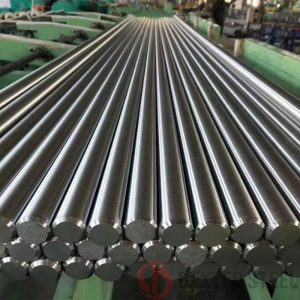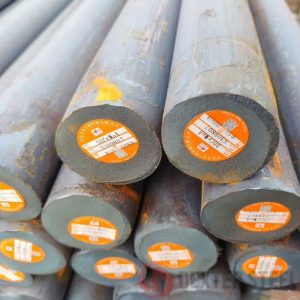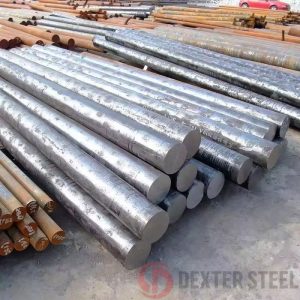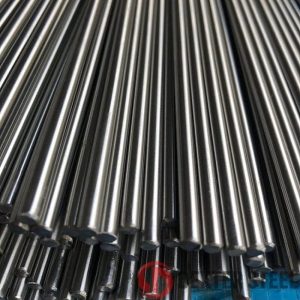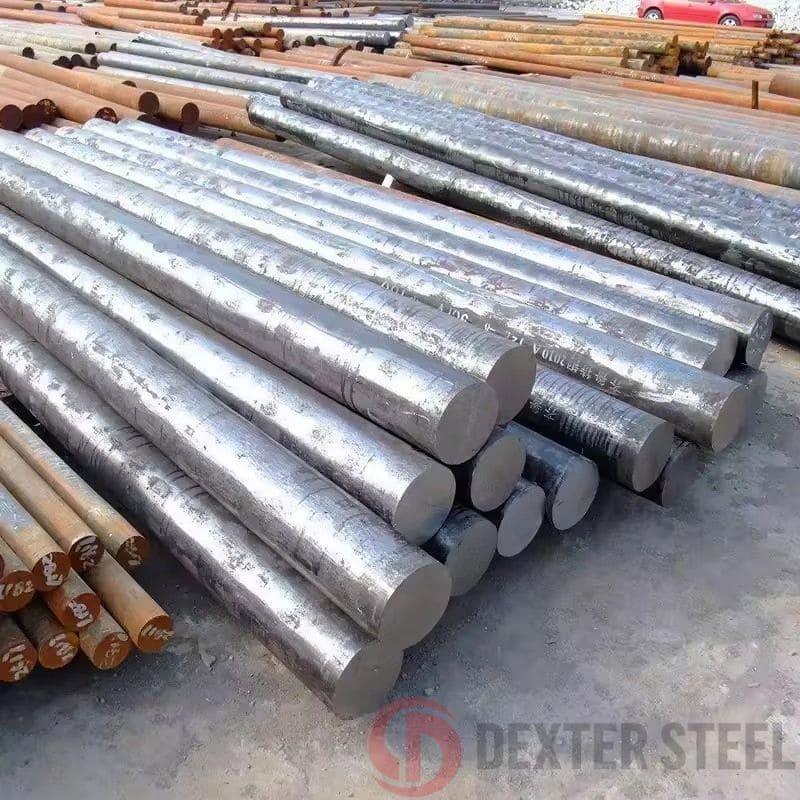
D2 is commonly used for blanking dies, slitting knives and cutters that face repeated wear. It can help extend the time between sharpening or replacement, reducing interruptions during production.
Its value is strongest when wear is the main problem. If an edge keeps chipping under impact, a tougher grade may last longer.
At Dexter Steel, knowing what the tool cuts or forms—and why the current tool needs replacing—helps us review whether D2 suits the job.
Choose How Much Work to Leave in Your Shop
D2 is easier to machine in the annealed condition. Completing suitable holes and rough features before hardening can reduce later work.
| Supply option | Work remaining in your shop |
|---|---|
| Annealed bar | Cutting, machining, heat treatment and final finishing |
| Cut blanks | Machining, heat treatment and final finishing |
| Blanks with agreed drilling or other processing | Remaining machining, heat treatment and final finishing |
We can review cutting and specified processing from your drawing. Blank dimensions should leave enough material for final grinding without adding unnecessary machining.
Frequently Asked Questions
Not automatically. D2 generally offers greater wear resistance, while A2 offers more toughness. D2 may help when the tool wears out, but it may not help when the edge chips or breaks.
Annealed D2 bar normally needs machining, hardening and tempering before use. Accurate cutting edges may also need final grinding. The supplied condition should be clear on the order.
Yes. Its high chromium content does not make it rust-free. Clean, dry storage and suitable protection help prevent rust on finished tools.