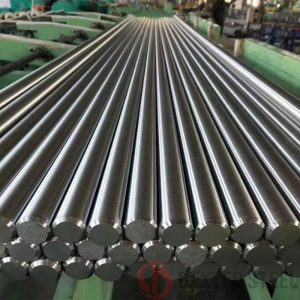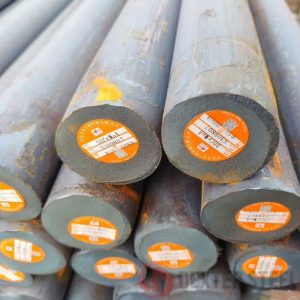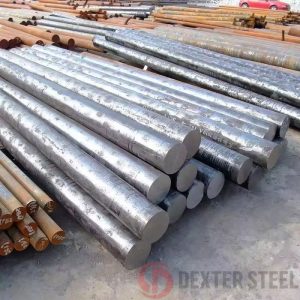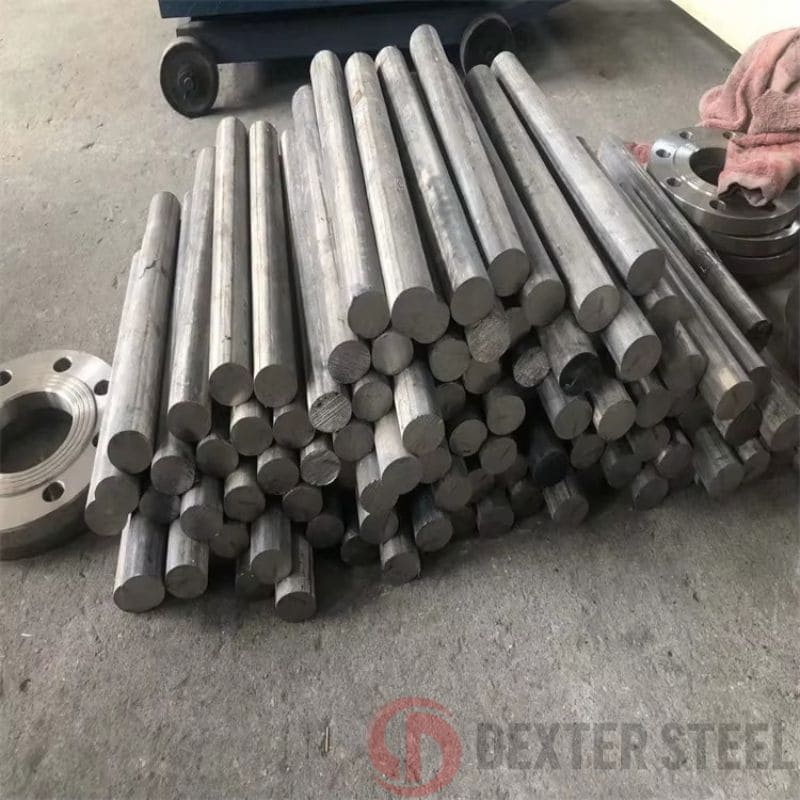
1050 deserves consideration when achievable hardness and wear resistance are important enough to influence material selection. For rollers and selected wear components, it may provide a useful alternative to 1045, provided the required toughness and ductility remain suitable for the duty.
The choice should follow the component’s failure mode. If a part wears out at its working surface, a higher-hardness route may help. If it fails through impact, bending or cracking, increasing hardness alone may not address the problem.
Compare 1050 with alternatives on the basis of the finished-part requirements and processing cost. It is not a universal upgrade from 1045, and neither grade should be selected solely from a nominal hardness expectation.
Surface Quality Can Determine Usable Yield
For a hardened component, buying the correct grade is only part of obtaining usable stock. Surface defects or a decarburized layer can require additional removal before the working surface meets the drawing.
The enquiry should clarify:
- Whether the supplied surface will remain on the finished component.
- How much stock can be removed during machining or grinding.
- Any required decarburization or surface-defect acceptance limits.
- Whether dimensions apply before or after the buyer’s hardening operation.
These details are especially useful when comparing black-surface stock with prepared bar or blanks. A lower material price may lose its advantage if additional removal increases machining time or reduces yield.
Specify the incoming condition separately from the final hardness target. The achievable result still depends on component size and the qualified heat-treatment route.