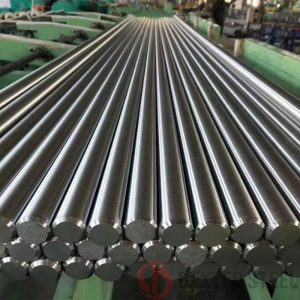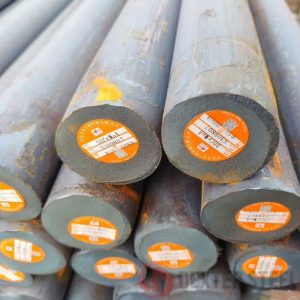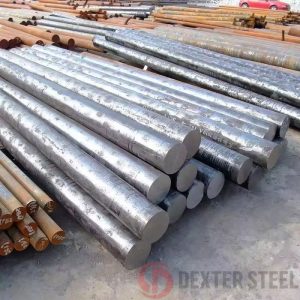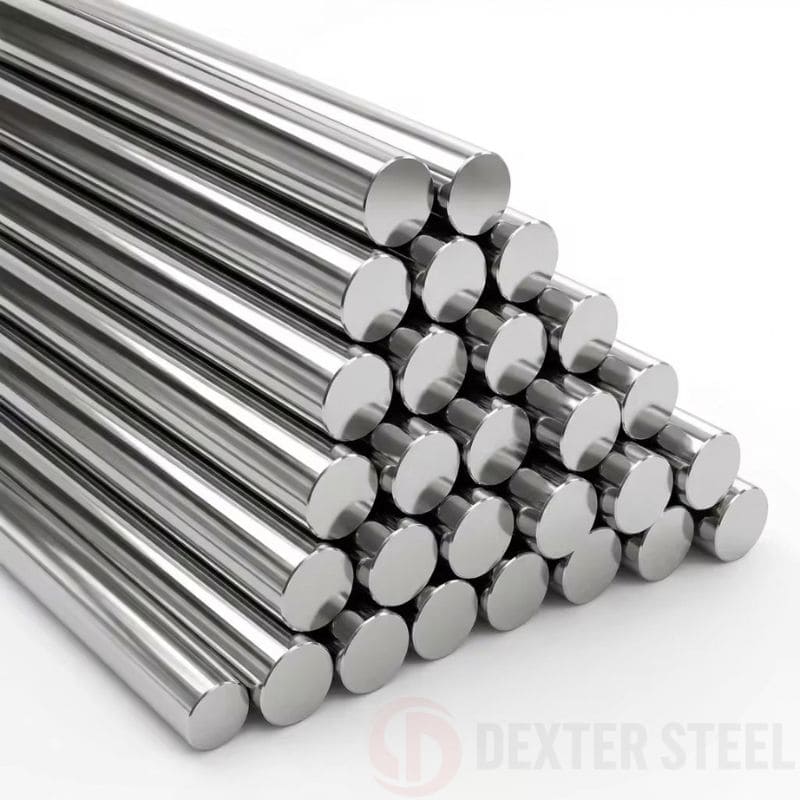
4140 is commonly used for shafts, pins and studs that carry heavy loads. It can provide the strength and toughness these parts need at a reasonable cost.
For repair shops, it is often a practical choice for replacement parts when it meets the drawing requirements. Larger parts or more demanding loads may need a grade such as 4340.
Choose the Condition
4140 can arrive in different conditions. The choice affects machining and whether you need heat treatment afterward.
| Supply condition | What it means for production |
|---|---|
| Annealed | Softer stock for machining before heat treatment |
| Quenched and tempered | Stock already heat treated to a specified strength and hardness |
Quenched-and-tempered bar can save a later hardening step if its properties meet the drawing. Its hardness also needs to suit your cutting tools.
At Dexter Steel, we include the required condition in the enquiry review. The name “4140” alone does not tell us how hard or strong the bar needs to be.
Start with the Replacement Part’s Drawing
A shaft needs more than the right outside diameter. Bearing surfaces, steps and holes must also fit correctly.
Your drawing helps us choose the blank size and quote cutting or drilling. If wear is mainly on the surface, hardening that area may be more useful than making the whole part harder.