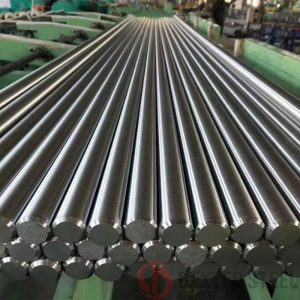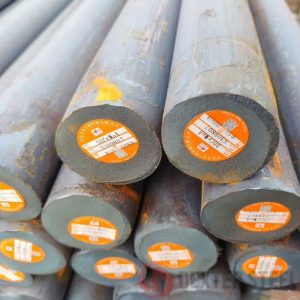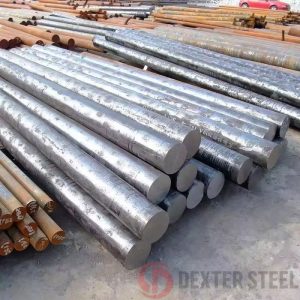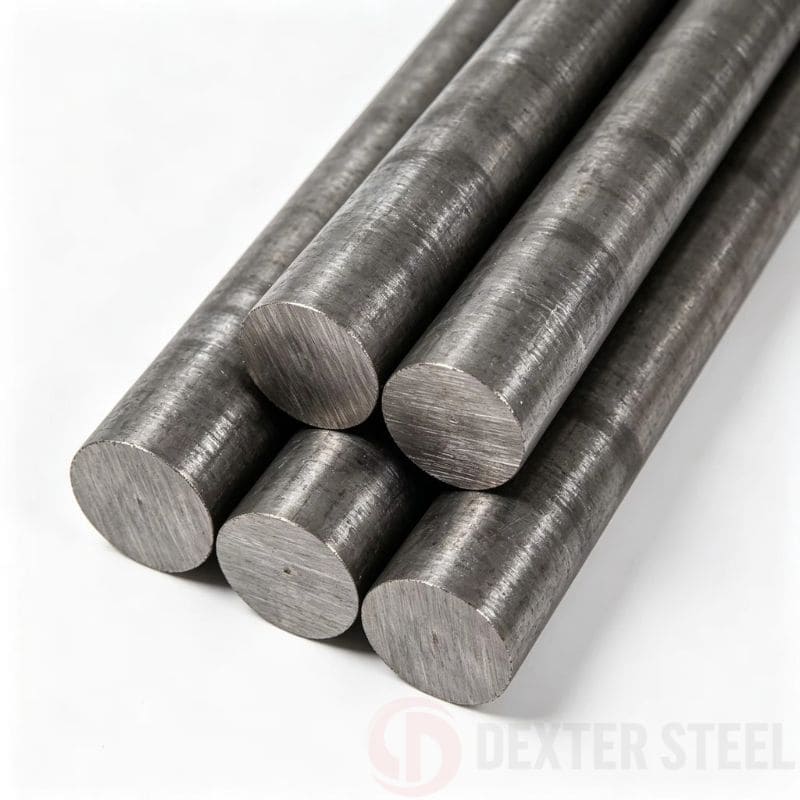
4340 is used for demanding shafts, axles and drive parts. It is worth considering when a large component needs strength and toughness deep inside the material.
In a thick part, a hard surface does not guarantee that the centre meets the required strength. With suitable heat treatment, 4340 can achieve the needed properties deeper into the section than less hardenable grades.
This is where its higher price can pay off. For smaller parts with lighter loads, 4140 may do the job at a lower material cost.
Make the Required Properties Clear
At Dexter Steel, we need more than the grade and diameter to quote a demanding 4340 component.
The useful details are:
- The required supply condition.
- The hardness or strength stated on the drawing.
- Any required tests, including where samples must be taken.
A hardness check does not confirm every strength or toughness requirement. Agreeing on the checks before ordering helps avoid problems after the bar has been machined.
Leave Material for Finishing
Large parts are often roughly machined, heat treated and then finished to size. Heat treatment can change their shape slightly.
The blank needs enough extra material to correct that movement. Too little allowance can leave a part that cannot be finished correctly; too much adds machining cost.
We can review cut lengths and blank sizes against your planned production steps.