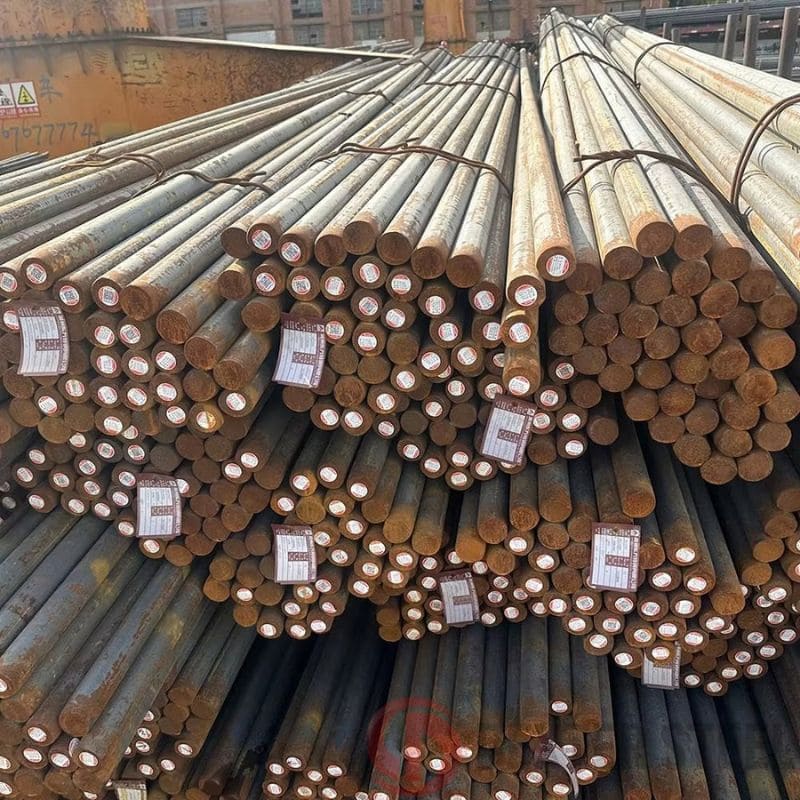
Stock for Forging and General Component Manufacture
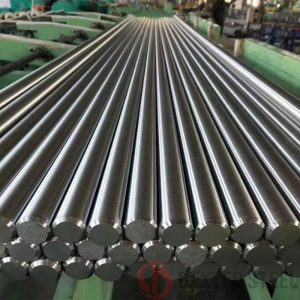
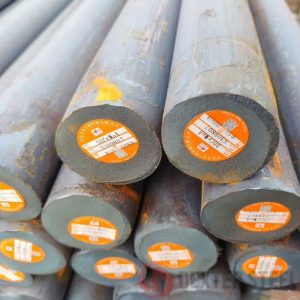
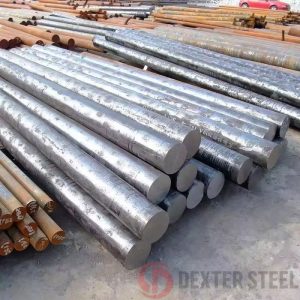
1020 is a practical starting material for forged blanks, sleeves, pins and couplings where the manufacturing route calls for a workable low-carbon steel. Purchasing priorities depend on whether the bar will enter a forging operation or be machined directly.
For forging blanks, consistent section dimensions and cut weight help control material input. Specify cut-length tolerance, end condition and surface acceptance alongside the grade. Ordering solely by nominal diameter can leave the forging shop to resolve variations during blank preparation.
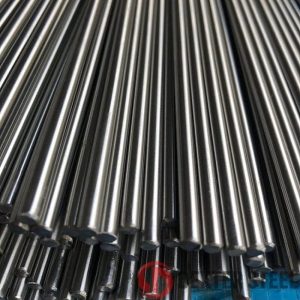
For direct machining, select a delivery condition and stock size that provide sufficient allowance without excessive removal. A more closely finished bar is worthwhile only when its dimensional consistency or surface condition benefits the production process.
Buying 1020 for Carburized Parts
1020 can be considered for parts needing a hard wearing surface over a relatively tough core. The commercial question is whether that core will meet the component’s loading requirements after the specified processing route. A required surface hardness alone is insufficient to establish material suitability.
For a carburizing enquiry, distinguish between:
- Incoming stock requirements: grade, bar condition, dimensions and surface acceptance.
- Finished-component requirements: case depth, surface hardness, core performance and final dimensions.
Where the design requires greater core performance or more consistent hardening through a larger section, compare a suitable alloy case-hardening grade before committing to 1020.
If a Chinese comparison grade or 1018 is proposed, retain the actual material designation and review compliance with the ordered specification. Similar commercial uses do not make the grades automatically interchangeable.