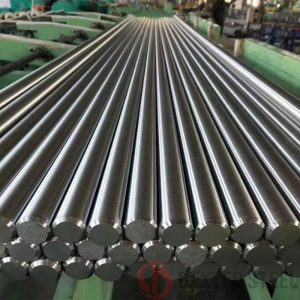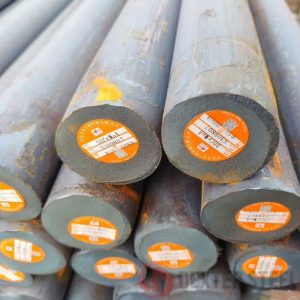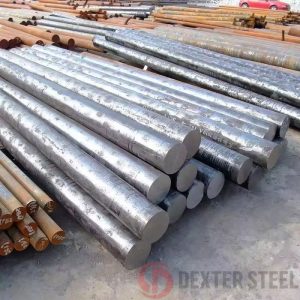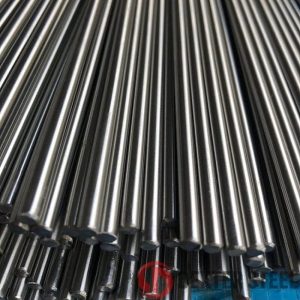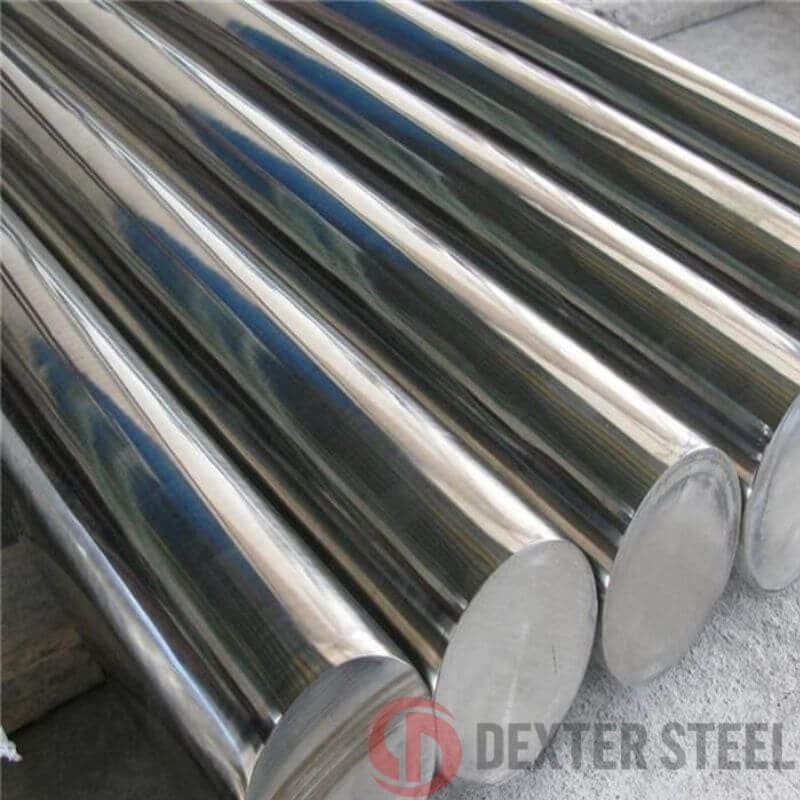
Full bars suit workshops cutting several component sizes from the same material. Cut blanks are useful for repeat orders with fixed part lengths.
Dexter Steel can quote either approach. For cut blanks, the requested length should include any allowance for facing the ends.
Combining quantities by grade and section size can also make an enquiry easier to price. Finished-piece quantities give a clearer basis than a total weight alone.
Grade Identification Through Cutting
Hot rolled bar is available in different steel grades. The rolling process does not define the material’s strength, weldability or heat-treatment suitability.
The order should identify the grade and applicable standard. Where certificates are required, that requirement belongs in the enquiry.
For cut-piece orders requiring traceability, the identification method should be agreed before cutting. This keeps the supplied blanks linked to the relevant material records.
Processing for Fabrication
We can quote drilling, slotting, tapping and other specified work from your drawing. Critical dimensions should be identified so the quote reflects where accuracy is needed.
Surfaces that need machining or coating preparation should also be defined. This avoids treating every face as a finished surface when only a few affect the assembly.