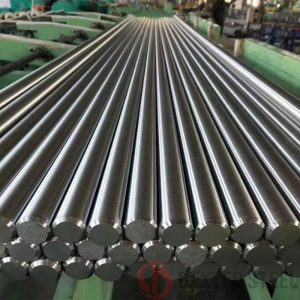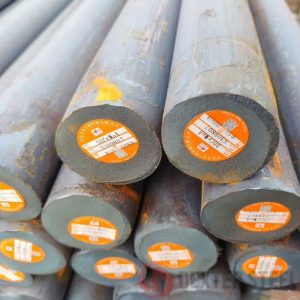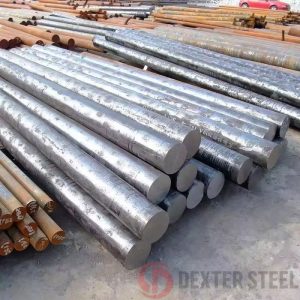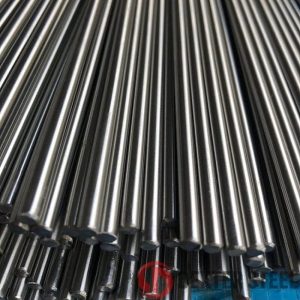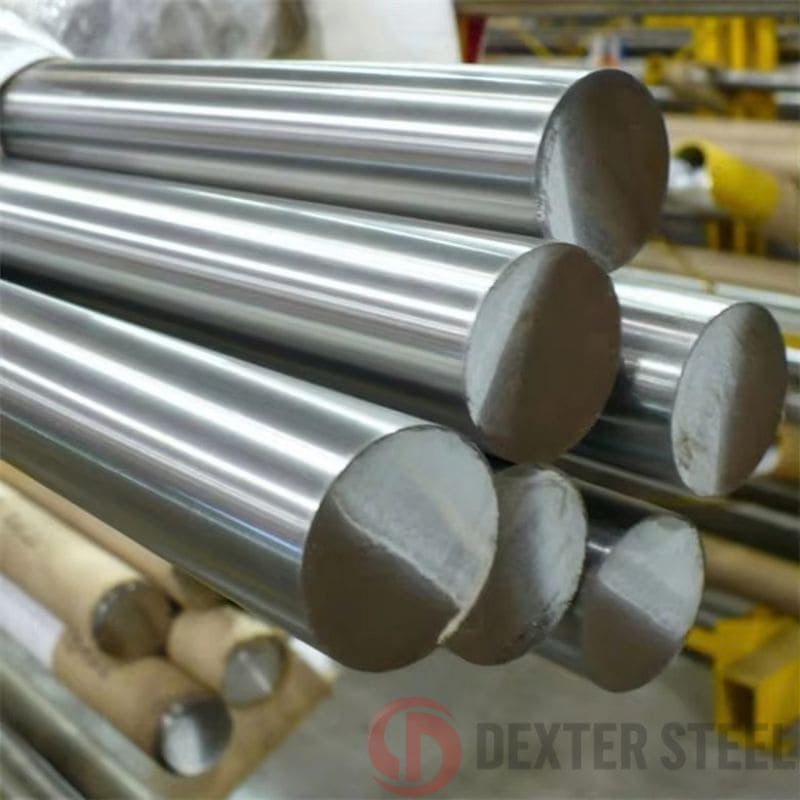
Surface Requirements
For chrome plated bars used with seals, a shiny appearance is not enough. The order needs to define the working surface and coating requirements.
| Order detail | What it controls |
|---|---|
| Finished diameter and tolerance | Fit with seals and guide components |
| Surface finish | Condition of the sliding contact area |
| Chrome thickness | Required coating build |
| Corrosion test requirement, where specified | Acceptance for the intended exposure |
Dexter Steel can review these requirements when quoting. Base steel grade and any hardening requirement are agreed separately from the chrome coating.
Cut Lengths and End Processing
We can quote cutting, drilling and tapping to your drawing. Threaded ends, mounting holes and shoulders should be defined before processing is arranged.
The machining sequence depends on which areas need chrome and which need to remain uncoated. Identifying those areas helps avoid removing coating from a surface that needs protection.
Protective packing is also important. The finished contact surface should arrive ready for inspection, without handling marks that create rework.
Frequently Asked Questions
No. Chrome plating helps resist corrosion, but damaged areas and exposed ends can still rust. For wet or outdoor service, the coating requirements should match the expected exposure.
No. Chrome plating adds a hard surface layer. It does not confirm that the steel underneath has been hardened. If the component needs both, the order should specify the base steel condition and the chrome coating separately.
Welding needs a separate review of the base steel and the plated area. Chrome must be removed from the weld zone using suitable procedures, and welding can damage nearby coating. Tell Dexter Steel about any planned welding before ordering so we can review the supply and processing route.