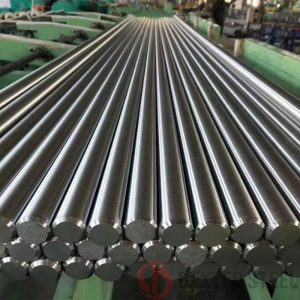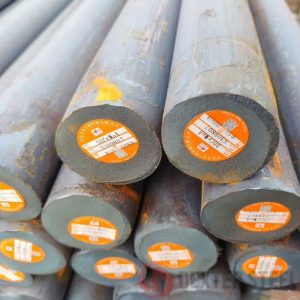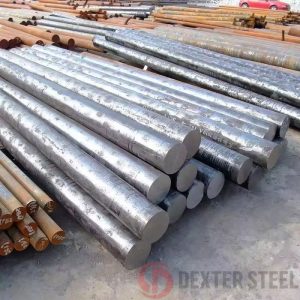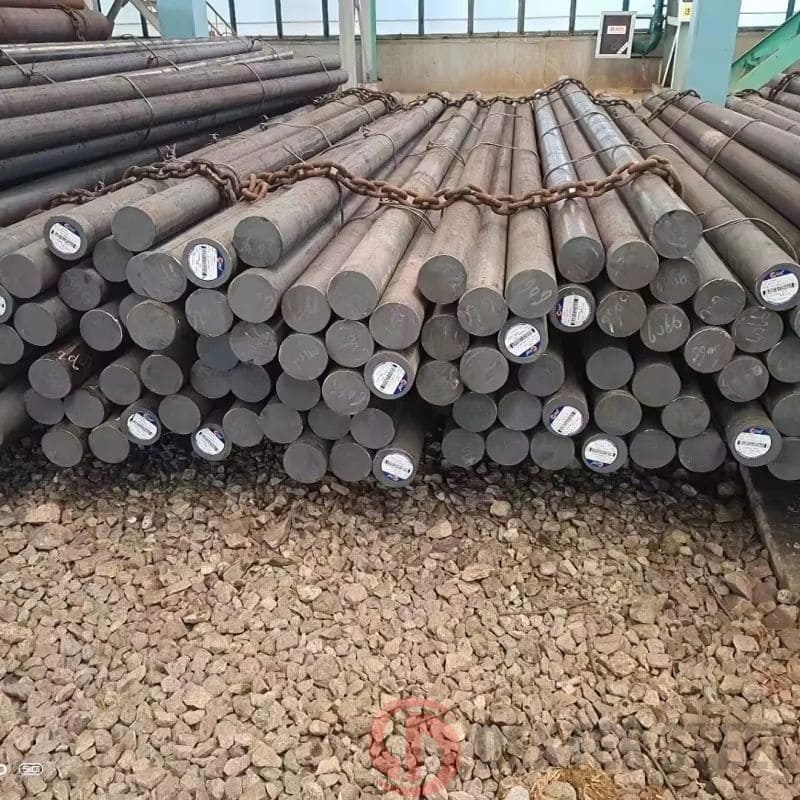
M42 contains about 8% cobalt, which helps the cutting edge stay hard at high cutting temperatures. It is worth considering when lower-cost HSS tools wear out too quickly in demanding work.
Its higher material price is easier to justify when:
- Frequent tool changes hold up production.
- Worn edges cause rejected parts.
- Cutting heat gives existing tools a short working life.
At Dexter Steel, we consider these costs alongside the bar price. If M2 already performs well, M42 may offer little extra value.
Check Whether the Edge Wears or Breaks
M42 offers strong heat and wear resistance, but it is less forgiving under impact than tougher HSS grades.
If an edge keeps chipping, greater heat resistance may not address the cause. Vibration, interrupted cuts and thin cutting edges also deserve attention before changing the material.
The choice should follow how the tool fails in actual use.
Keep Expensive Scrap Down
Excess stock costs more when the material is M42. A bar size close to the required blank can reduce waste and removal time.
We can review cut lengths from your drawing. Enough material must remain for heat treatment and final grinding, but unnecessary oversize adds cost to every tool.