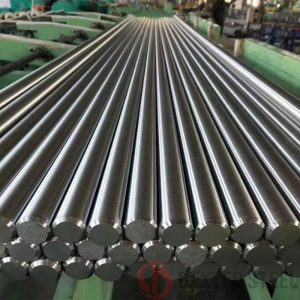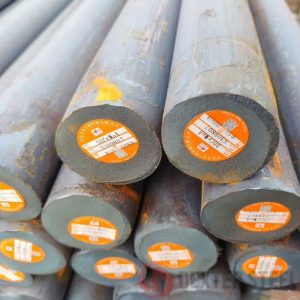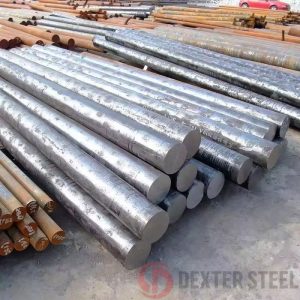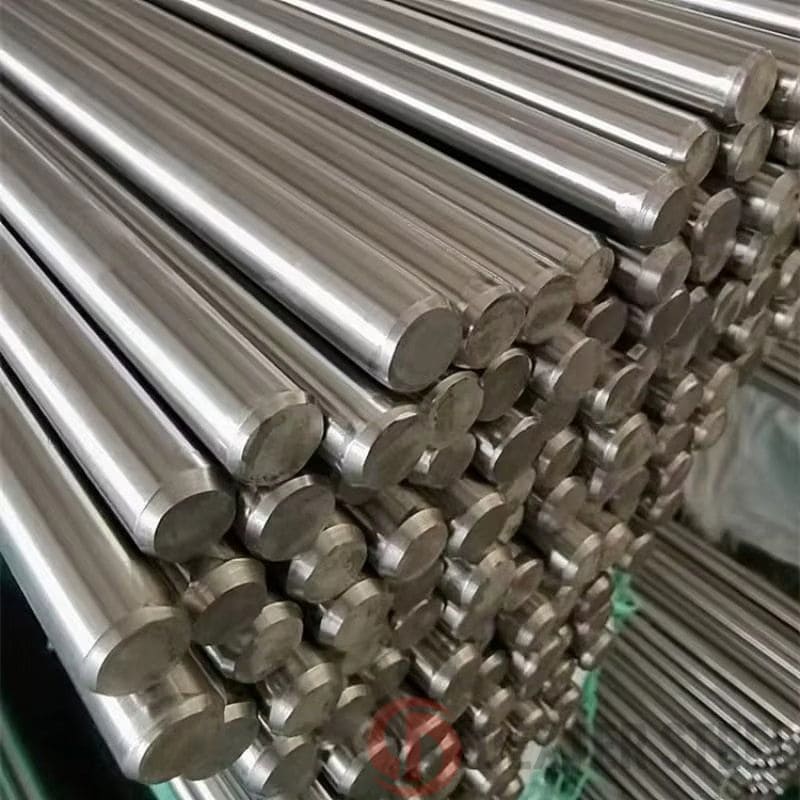
HSS bar is bought by manufacturers of drills, taps, reamers and cutters. Its main value is keeping a hard cutting edge as heat builds during use.
At Dexter Steel, we distinguish between stock for making tools and blanks intended for direct grinding. Annealed bar normally needs machining and heat treatment. Hardened blanks require a different specification and production route.
Making that distinction early helps avoid receiving material that adds an unexpected operation to your workshop.
Choose the Grade
| Grade | Main reason to consider it |
|---|---|
| M2 | A practical balance of tool performance and material cost |
| M35 | Better resistance to softening under cutting heat than M2 |
| M42 | Strong heat and wear resistance for more demanding cutting jobs |
The workpiece and cutting conditions matter more than the grade ranking alone. Paying for more cobalt brings little value if M2 already delivers an acceptable tool life.
For repeat production, compare material cost with sharpening frequency, tool changes and rejected parts.
Supply That Fits Your Tool Production
Bar diameter, straightness and surface condition affect how much work remains before the tool is finished. Oversized stock adds removal time and scrap.
We can quote cut lengths and review other processing from your drawing. The blank still needs suitable allowance for heat treatment and final grinding, particularly on cutting edges and shanks that require close dimensions.