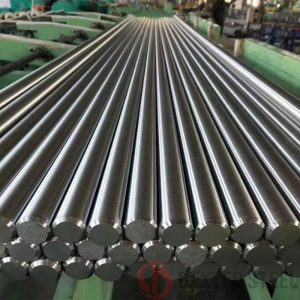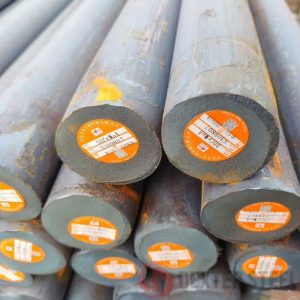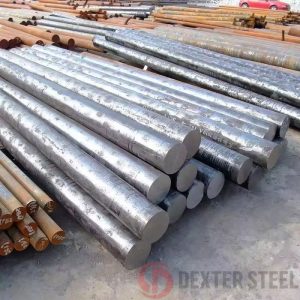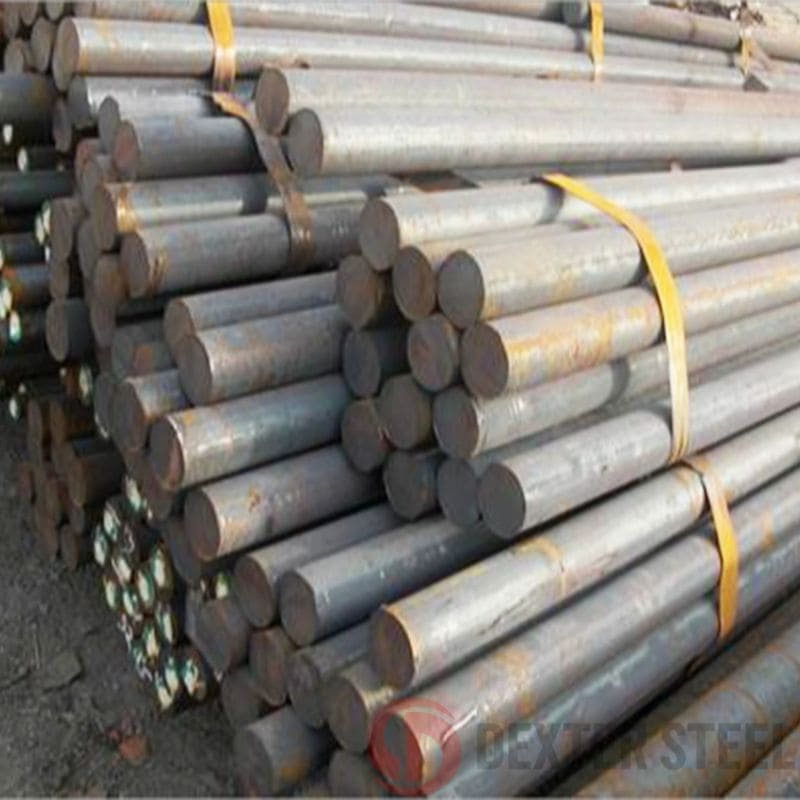
12L14 is purchased primarily for machining productivity. Its free-machining characteristics make it relevant to repetitive production of fittings, threaded parts, spacers and bushings, where cutting time and reliable chip control influence manufacturing cost.
The useful comparison is the cost of producing an acceptable component. Material price, tool consumption, cycle time and rejection rate should be assessed together. For a recurring production job, a machining trial can help establish whether the material delivers a worthwhile advantage under the shop’s actual tooling and cutting conditions.
That advantage is most relevant when turning dominates the manufacturing route. It carries less weight if welding or demanding mechanical performance controls the material choice.
Match the Bar to the Feeding Equipment
Good machinability cannot compensate for stock that feeds inconsistently or requires excessive preparation.
| Stock detail | Why it matters in production |
|---|---|
| Diameter or across-flats tolerance | Influences stock allowance, gripping and consistency |
| Straightness | Helps the bar run reliably through the feeding system |
| Bar length and end preparation | Must suit the feeder and loading arrangement |
| Surface acceptance | Helps avoid defects that remain after the planned cut |
| Batch identification | Supports investigation of changes in machining behavior |
For hexagonal stock used to produce wrench flats, also establish whether the supplied faces will remain on the finished part. This determines how much the incoming dimensions and surface condition matter.